Pet Harmony
Responsive Web Design | UX Research
Match each adopter with her perfect pet: no more rejections or broken hearts
Duration: 1 month | Nov. 2018 - Dec. 2018
Role: UX Research, UX Design
Solution Overview
Pet Harmony is not a shopping website for animals. It is a matching website that makes sure not only customers get the right animals, but animals are also given to safe hands.
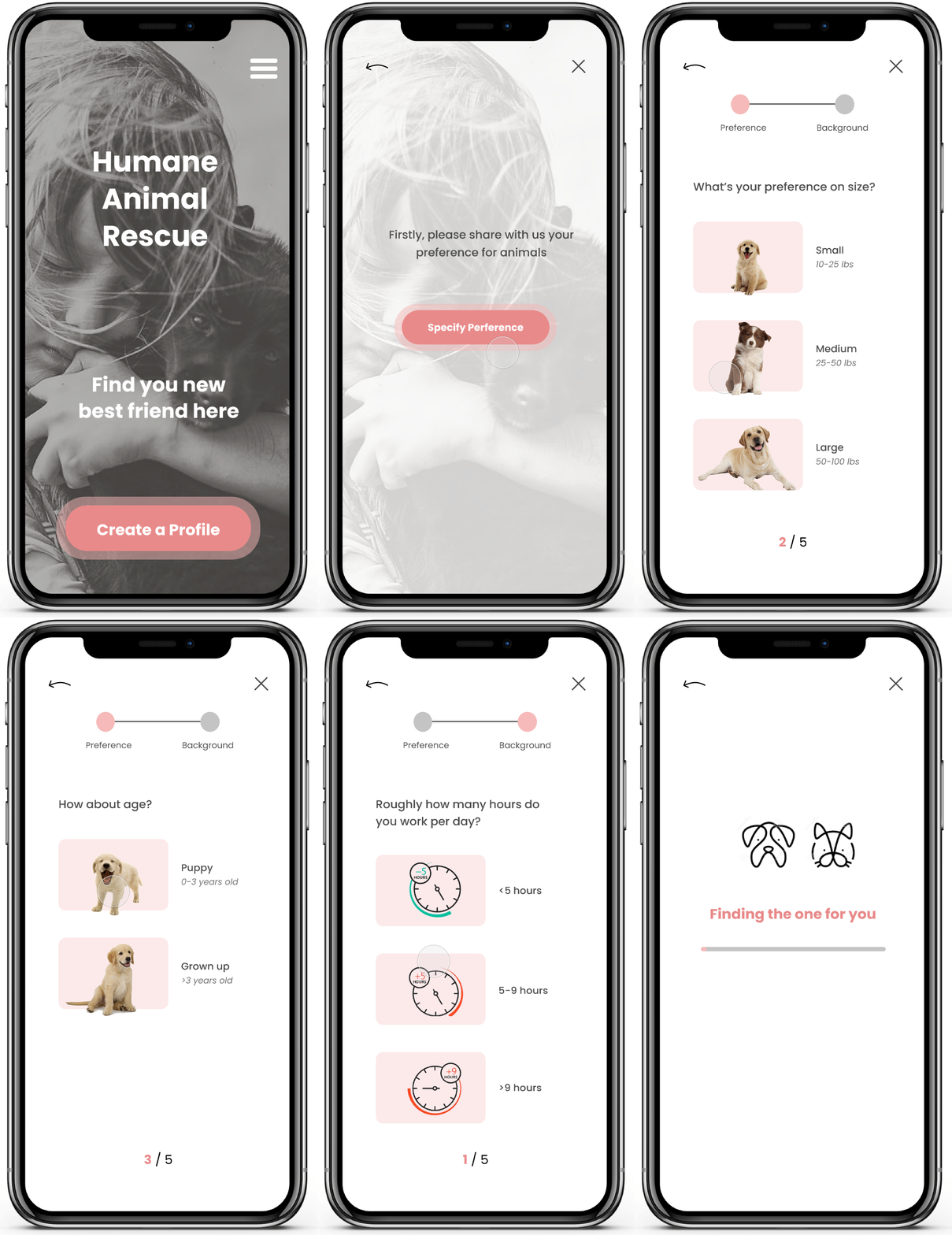
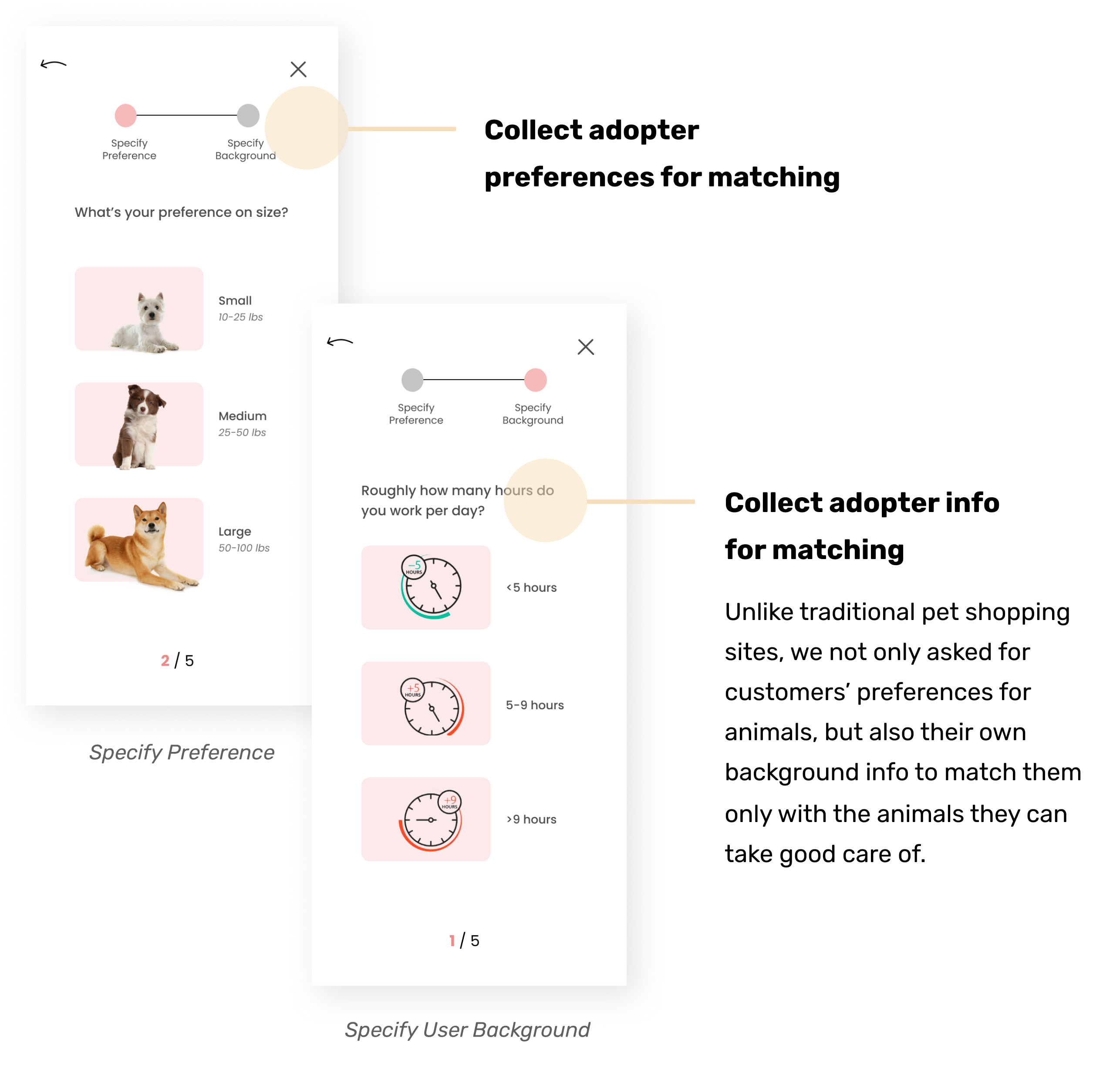
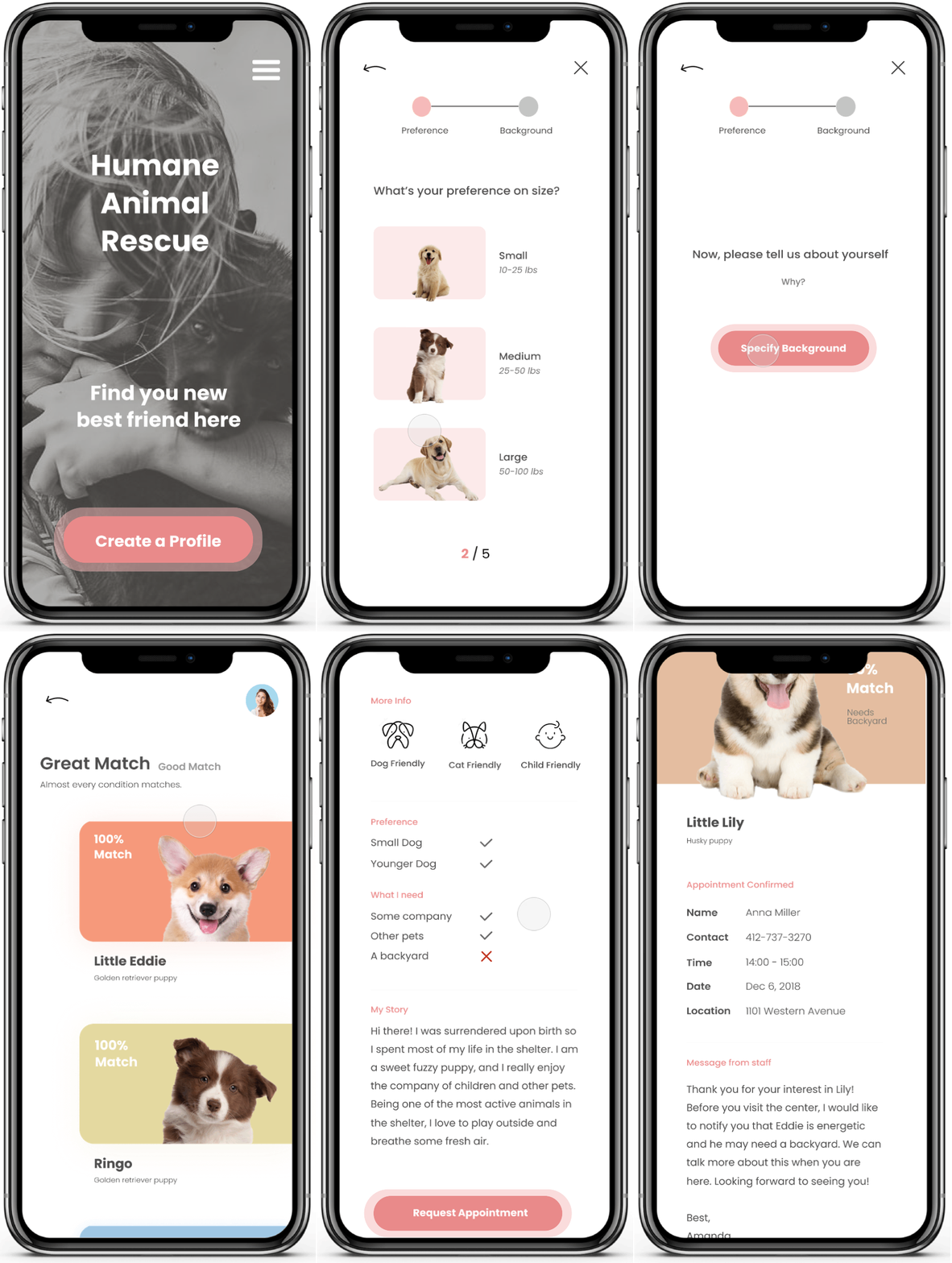
To begin with, customers create a profile that specifies their preference for animals, as well as their own background info such as work hours.
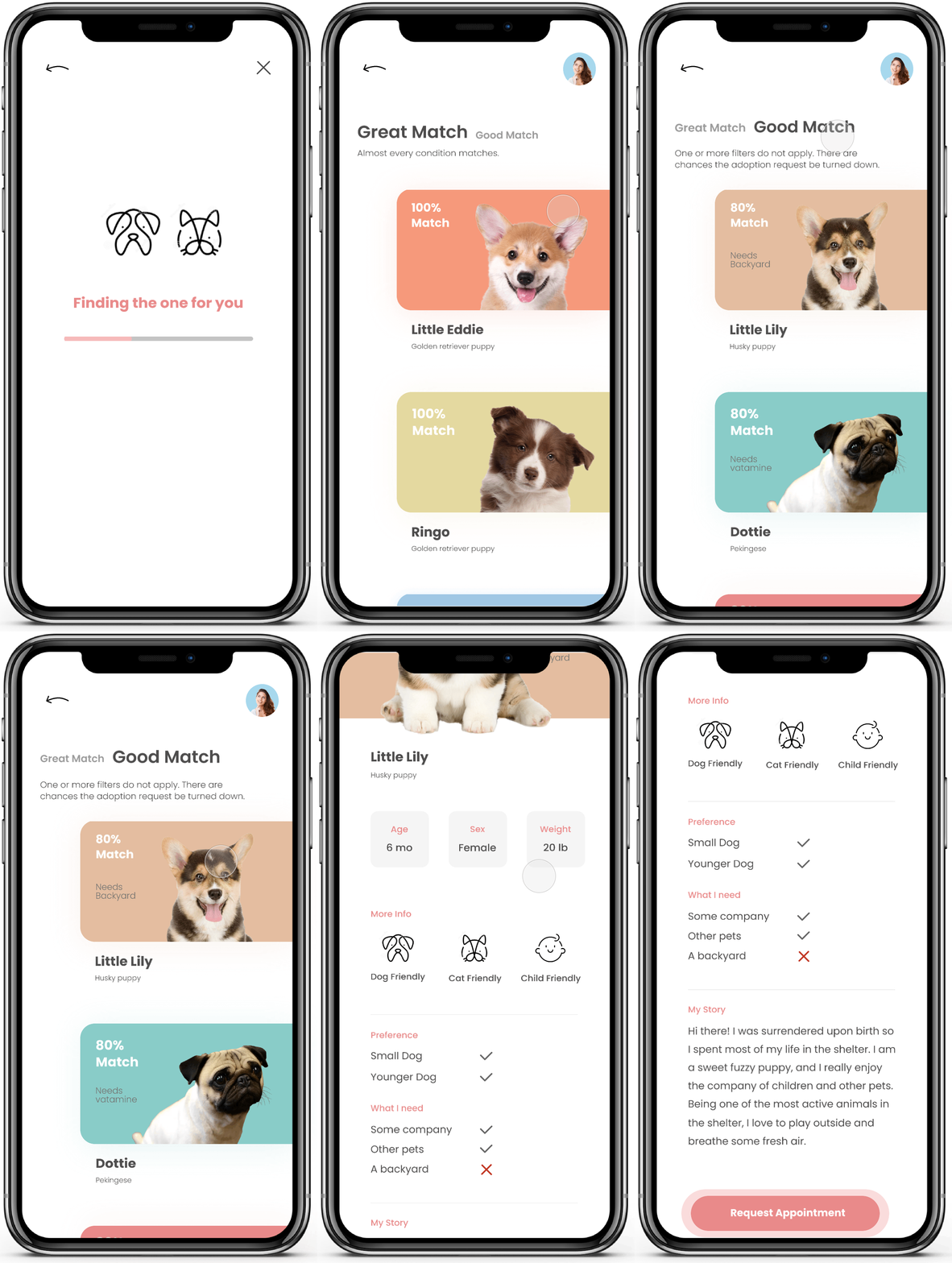
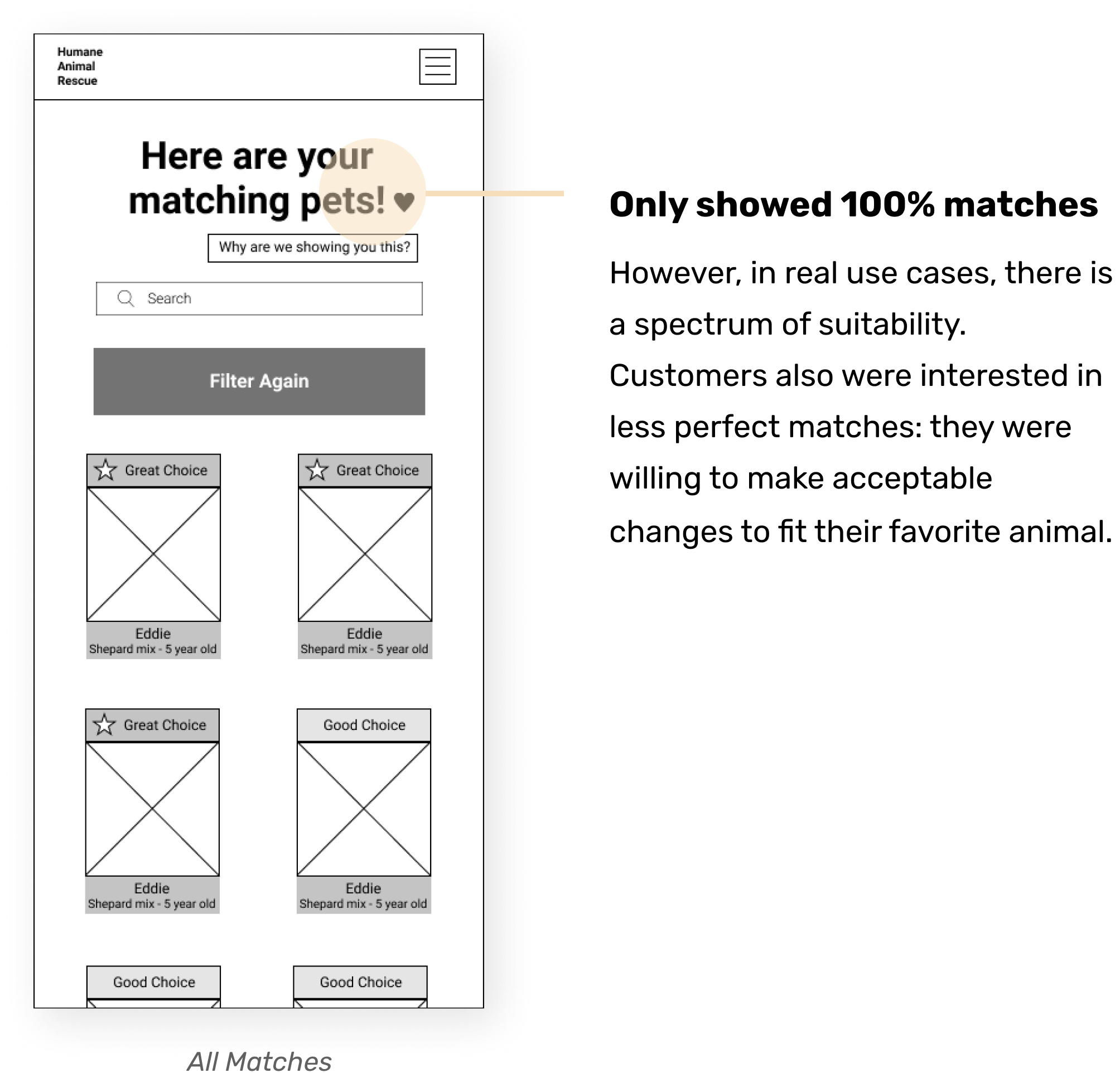
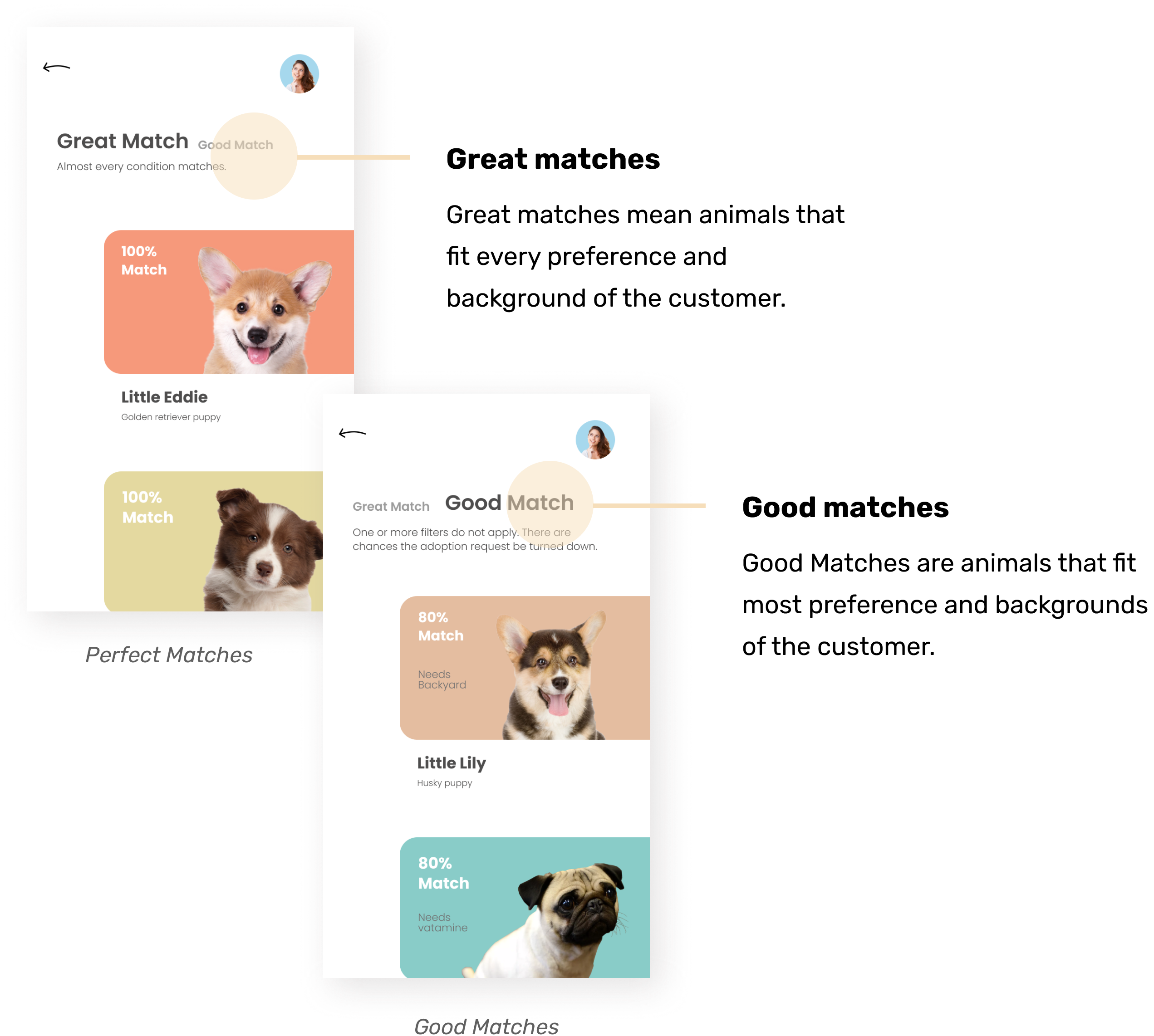
Based on the customer preferences and backgrounds, fit animals are shown and categorized into great and good matches.
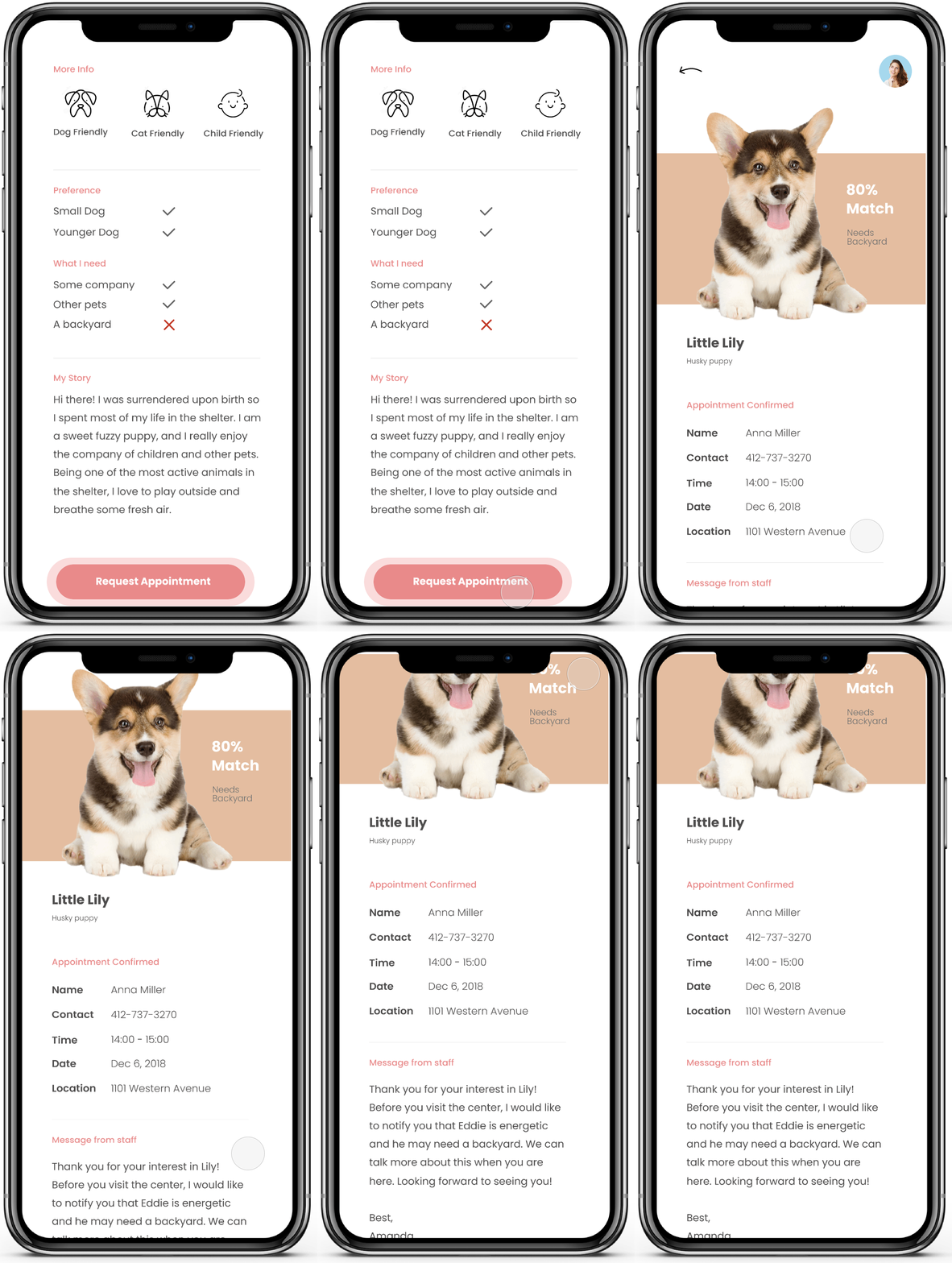
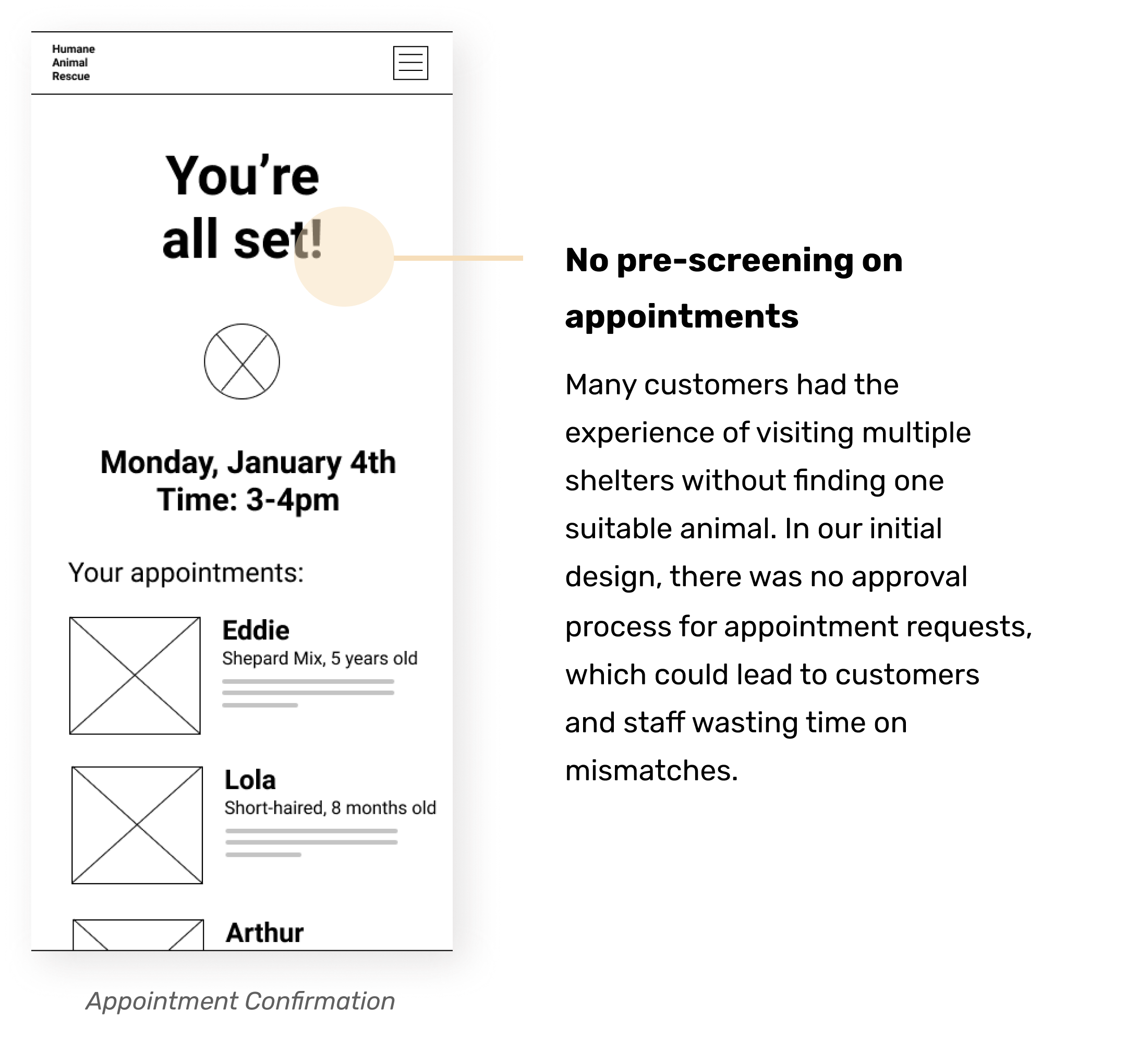
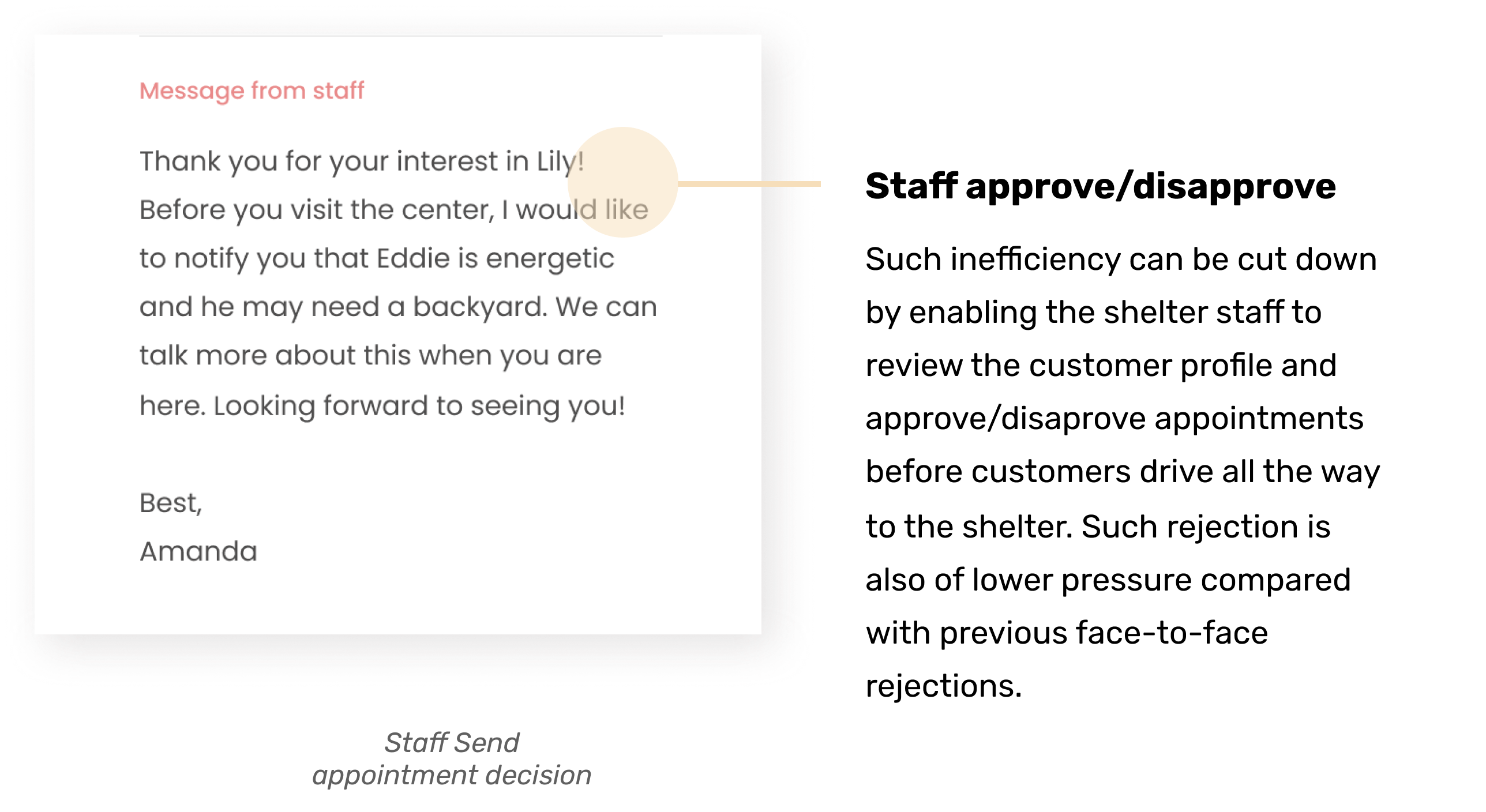
If interested in certain animals, customers can then request to meet one-on-one with them. Based on the suitability between customers and the requested animals, the shelter staff can approve or disapprove the appointment, to save time for both sides beforehand.
Generative Research
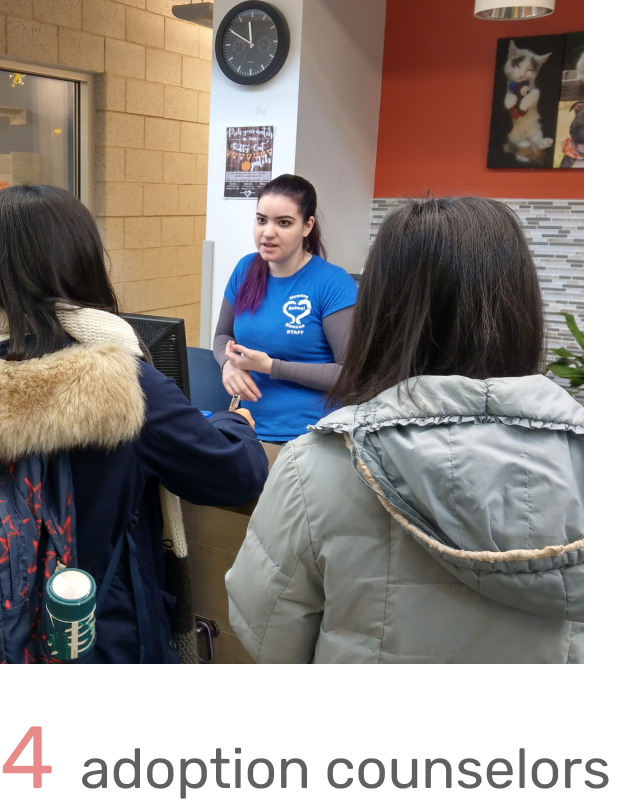
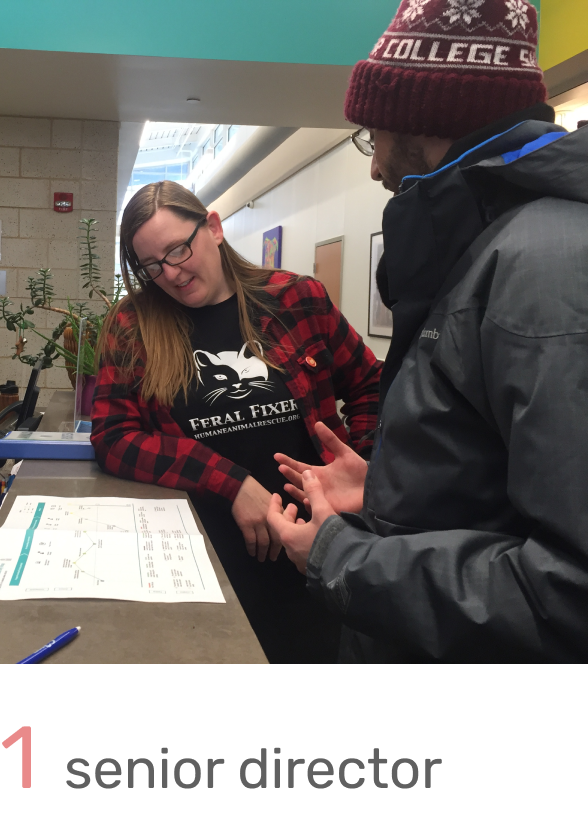
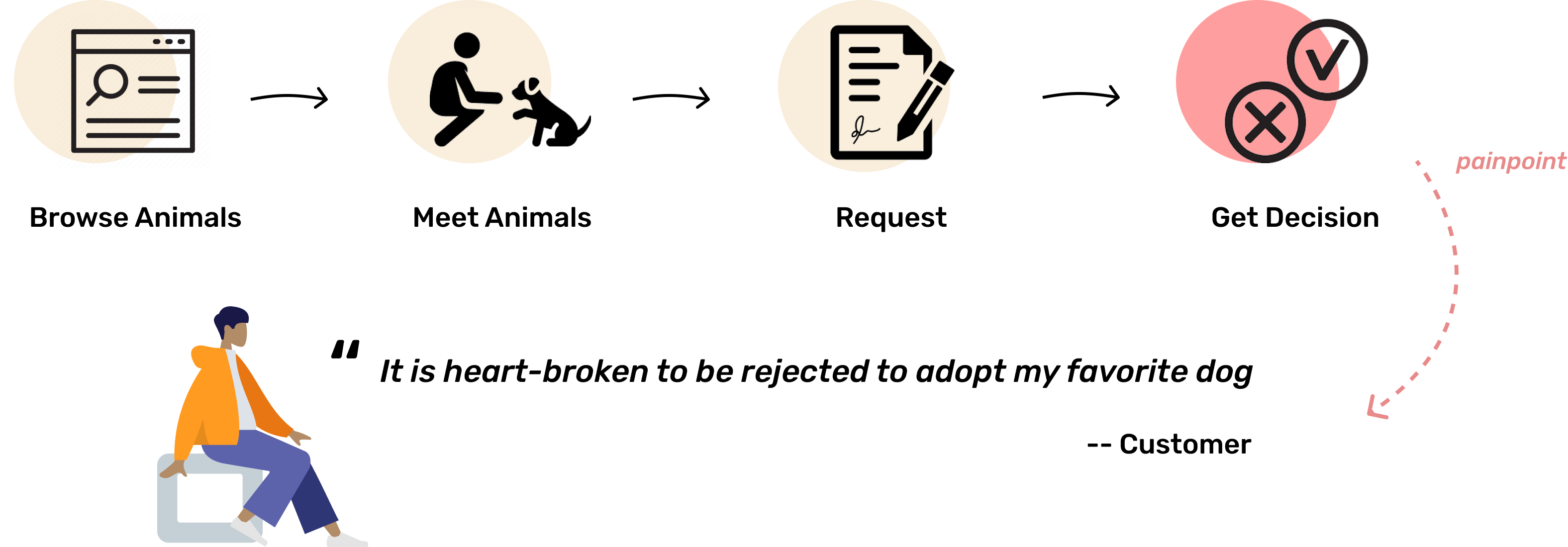
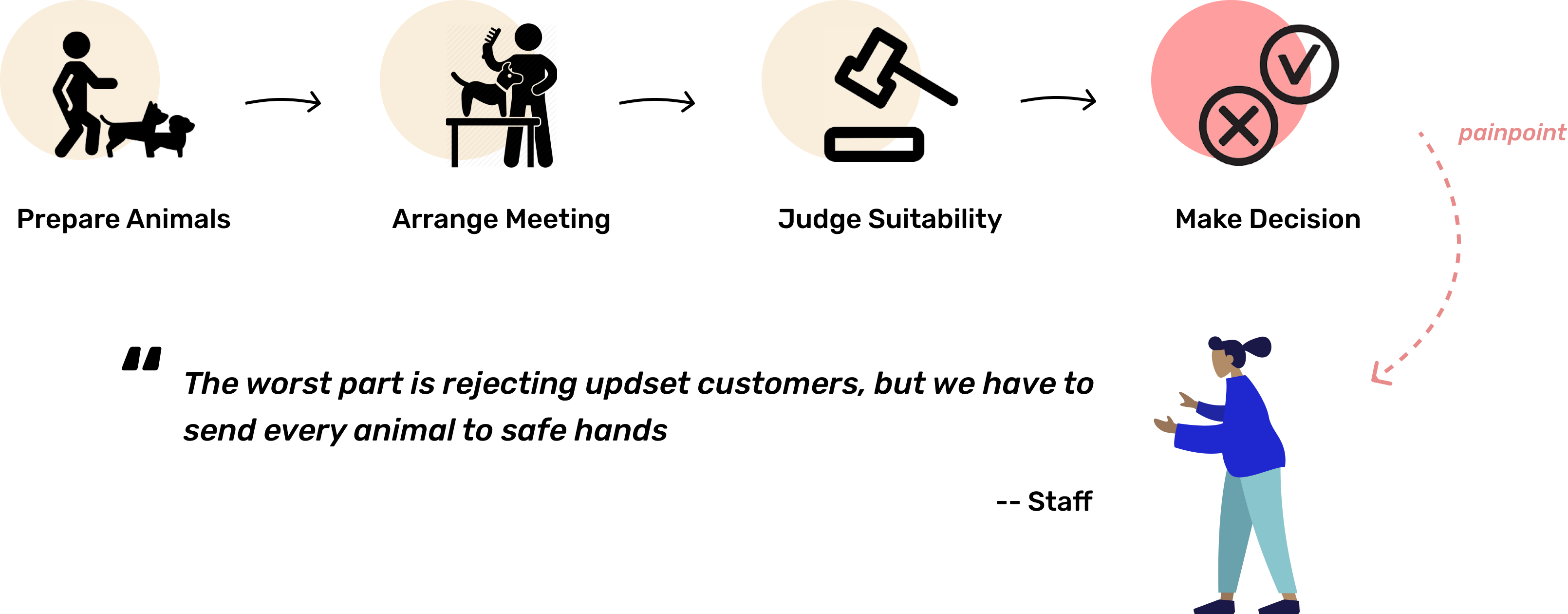
To understand the adoption journeys of customers and staff, and identify improvement opportunities, we interviewed key stakeholders: 4 adoption counselors, 3 adopters and 1 senior director at the rescue center.
.png)
01
02
Ideation

What animals suit?
Many customers did not know what kind of animals suit them before talking to counselors in the center.
.png)
Chemistry over suitability
Based on interviews, most customers choose pets based on “chemistry” but not a comprehensive consideration of suitability.

Affections for animals
Through online search and one-on-one meeting, customers already developed affections for the intended animals.

Effort invested along the way
To find a favorite pet, customers have searched online, driving all the way to the center, and spent time meeting with animals.
Match customers with the right animals before they invest emotion and effort
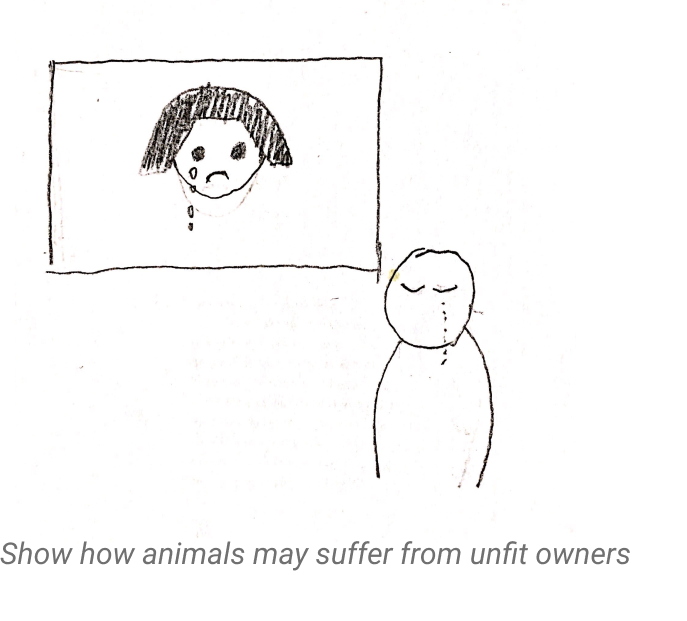
One idea we had is to educate how animals may suffer from unsuitable owners, when customers get rejected for adoption. We try to help customers empathize with the importance of suitability. However, such intervention doesn’t solve the real needs of customers, which is to adopt a pet. It would be ideal if customers can pick the right ones from the start.
My time is wasted. And I still can’t have a pet.
I might not argue any more, but I am still upset.
Educational materials about suitability should be embedded
We came up with another idea to provide brief educational materials on the browsing page, before customers selected any animals, to inform them about the importance of suitability, as well as helping them understand what animals fit their lifestyles. However, users expressed low interested in reading these materials.
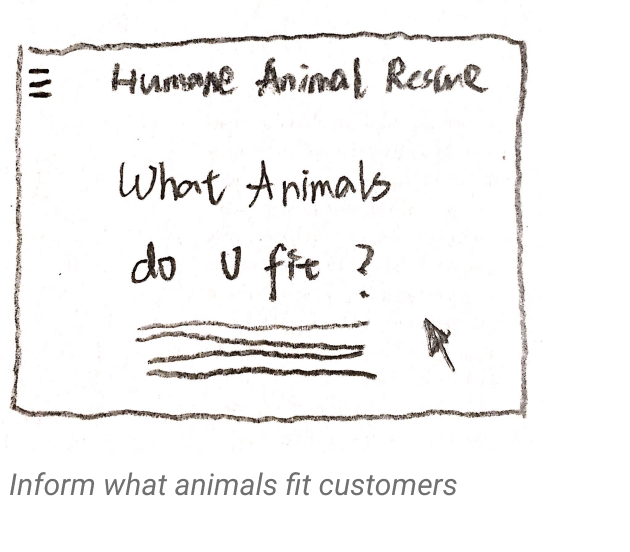
I want to see animals, not tutorials.
Online matching should provide deep details about animals, not just surface info
We decided to help customers effortlessly find their matches without referring to tutorials, so we borrowed the Tinder model. Customers swipe right to interested animals. If counselors think the animal fits them, the animal would “swipe” right, too. If not, the animal dismisses the like.
.png)
I hate being rejected, even just in this app.
Adoption is serious. I need to see more than just the face.
Why a dating website?
Embedded education about suitability: Through matching, not selecting, and learning about the needs of each animal, customers are seamlessly educated to value suitability and understand life-long commitment
Low effort for customers: A website is a low-effort solution for customers to match with the right aniamls, before too much time or emotion is invested by visiting the animals
Animals to safe hands: By collecting customer profiles and match those with animal profiles, the shelter can be more certain that animals are given to the right hands
How does it work?
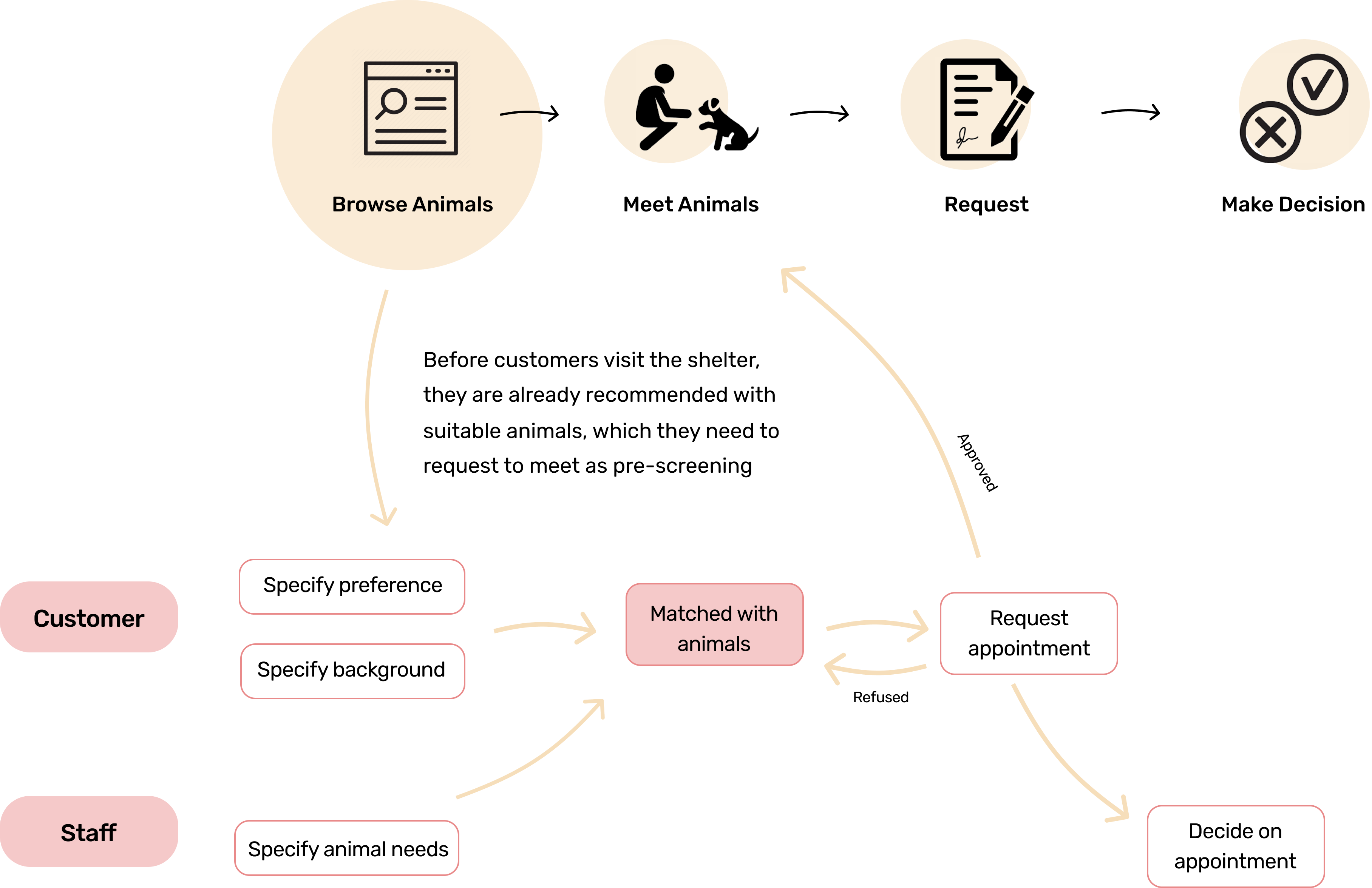
The outcome
.png)
Design Decisions
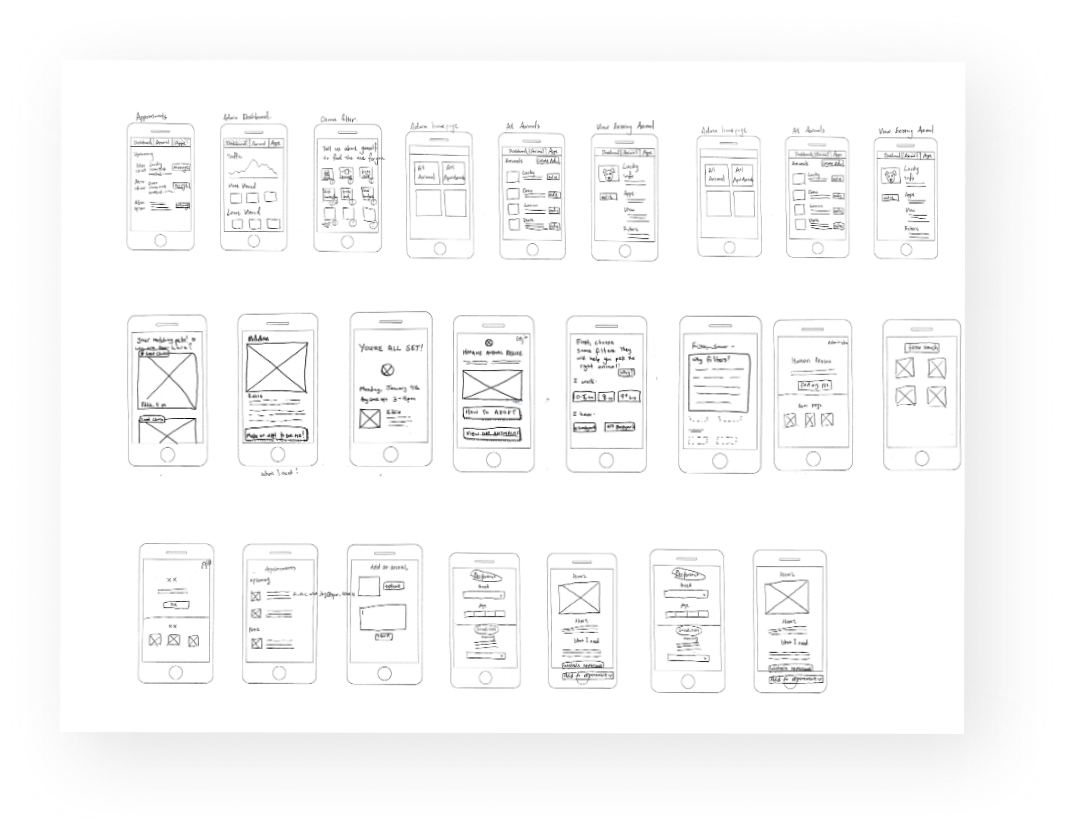
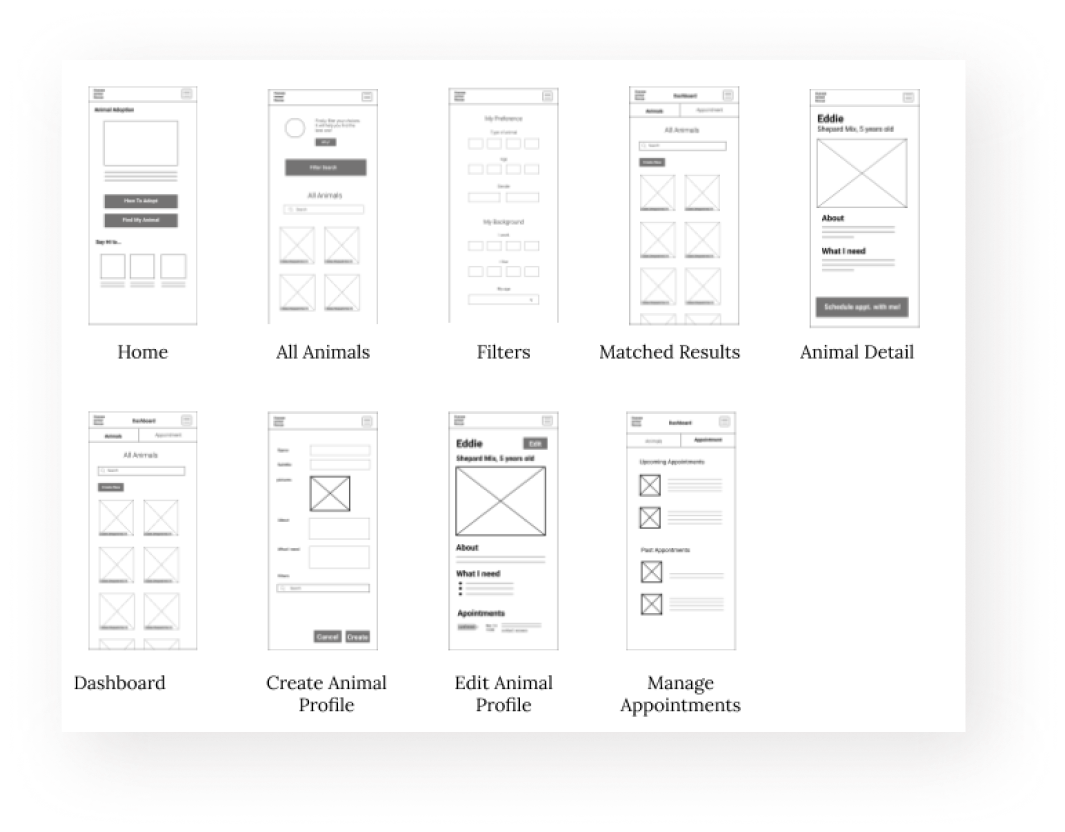
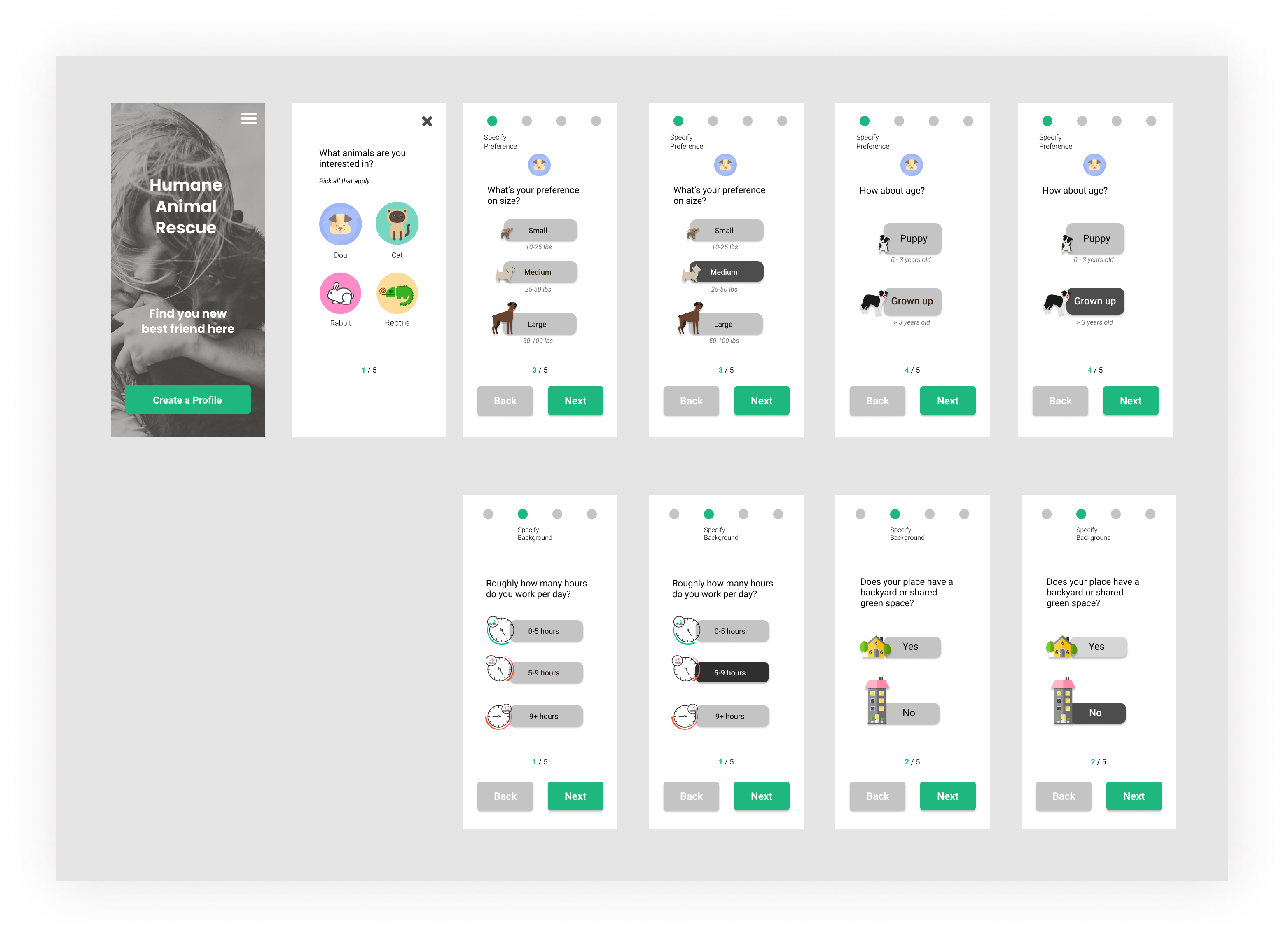
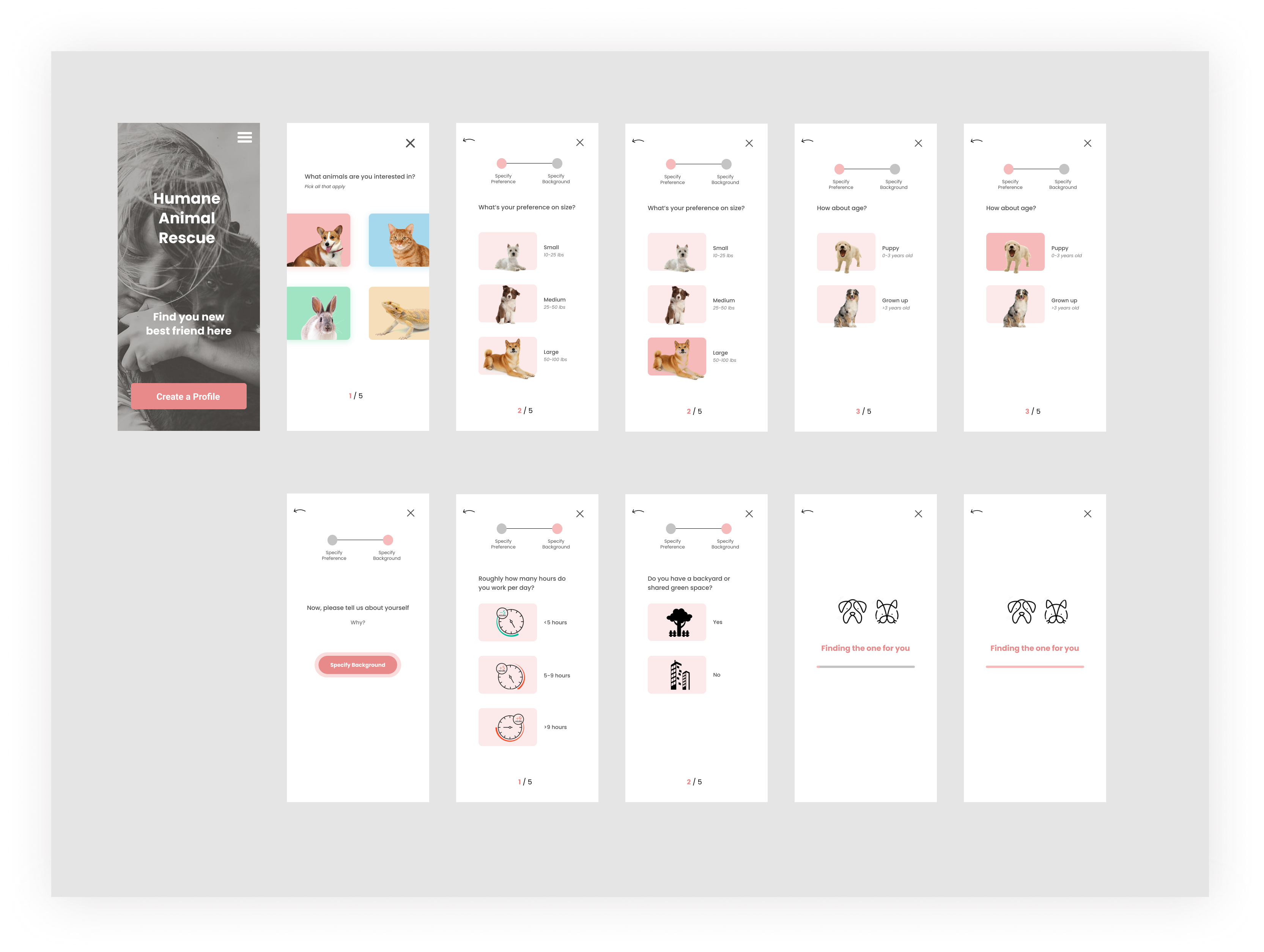
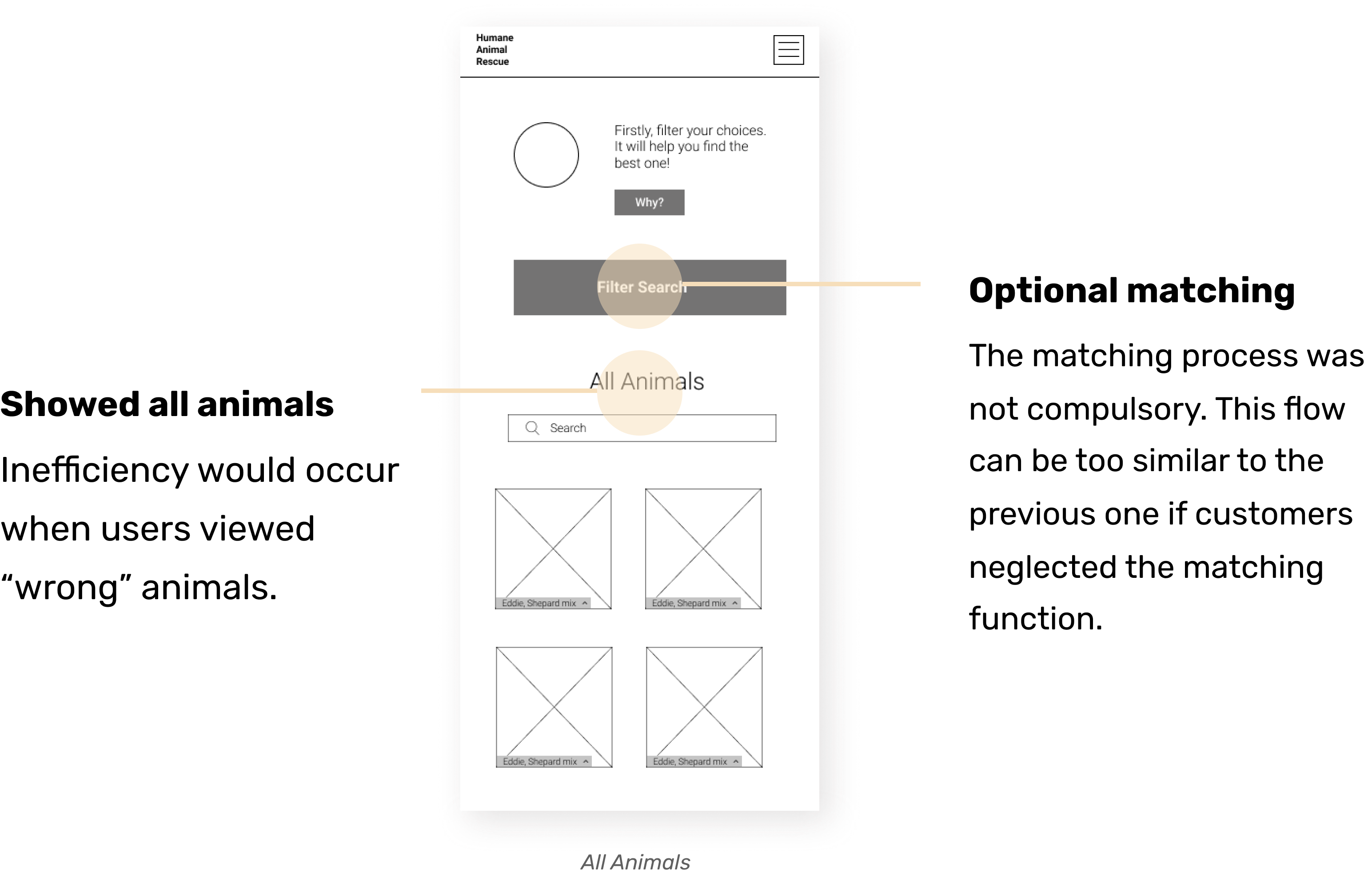
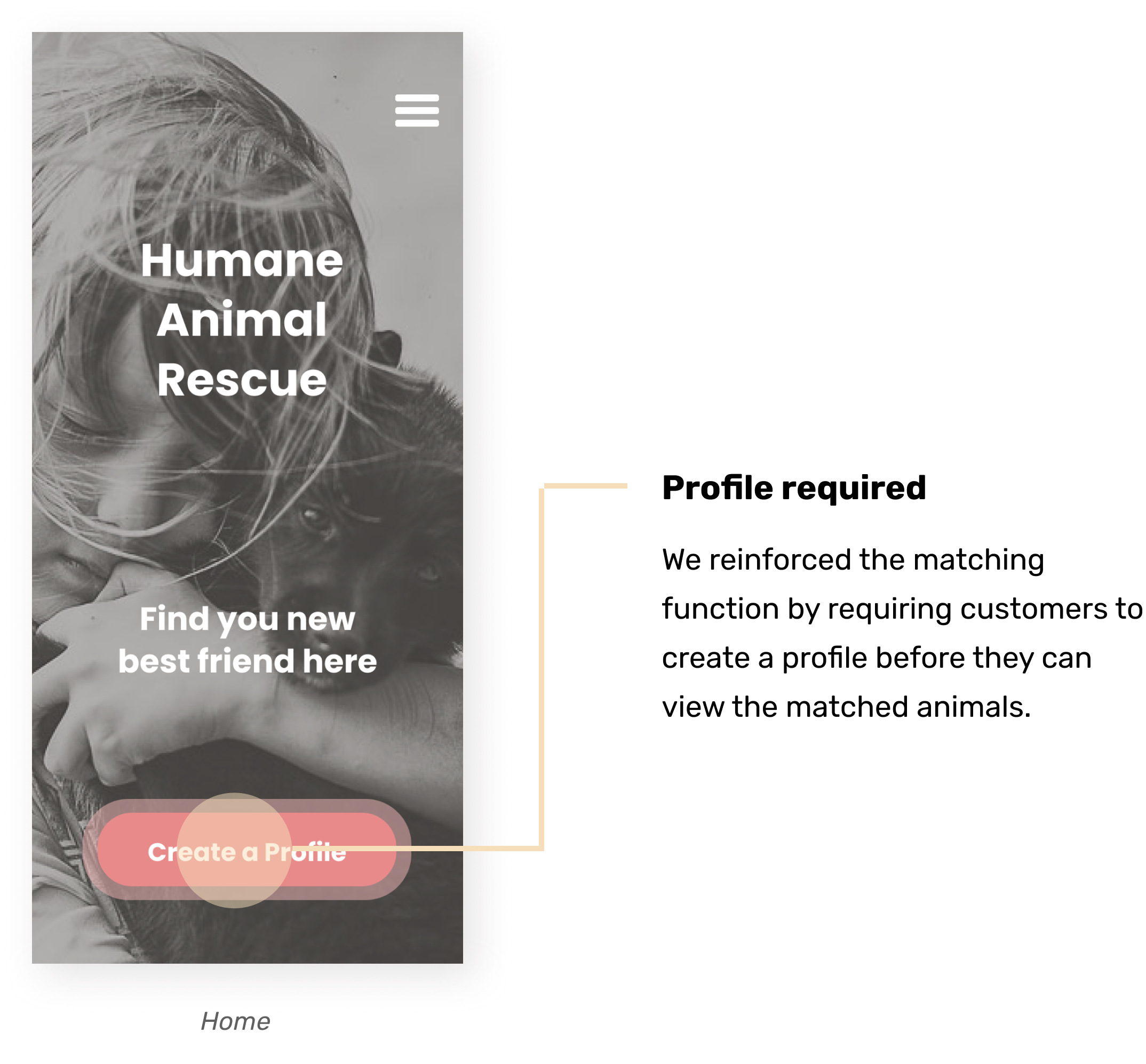
Create user profiles before matches are shown
Matched Animals are categorized into great and good matches
Appointments need to be approved by conselors
Over the course of the project, I was able to become more familiar with:
© Jing Hu