Community Cookbook
Service Design | Creative Campaign
De-stigmatize food stamps and bring the community together, through food
.png)
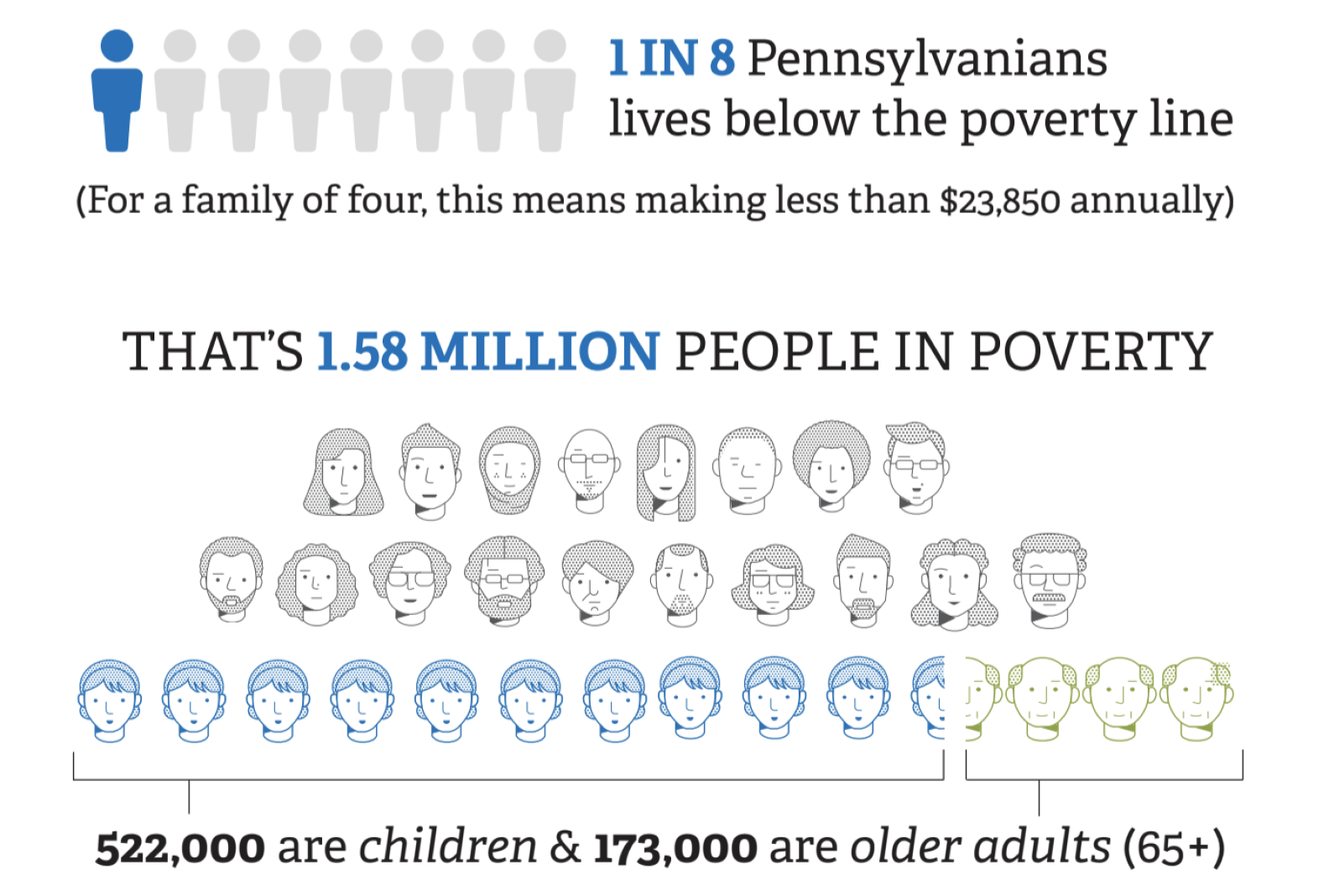
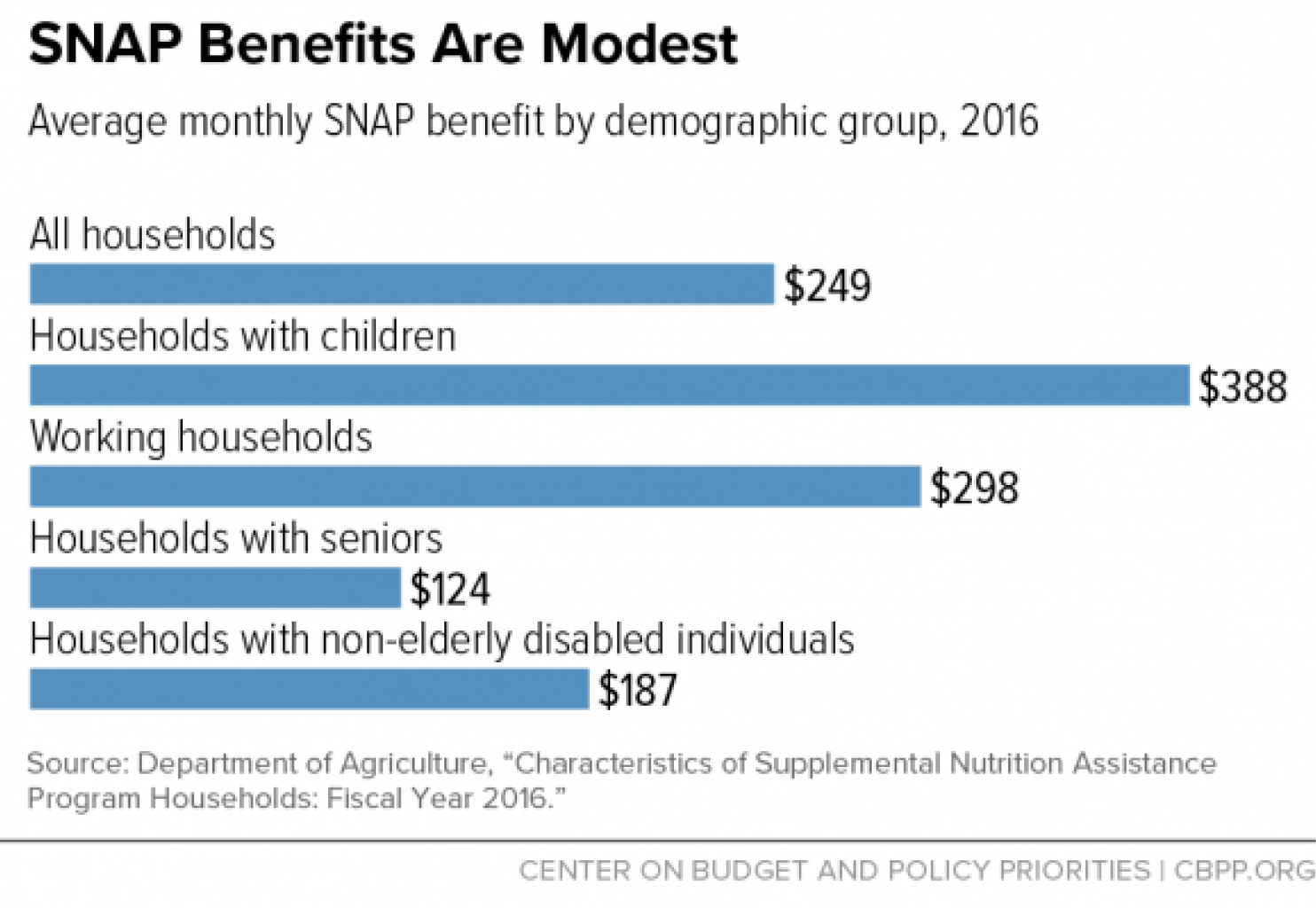
$241 per month

Benefits >10% Americans

Low income required

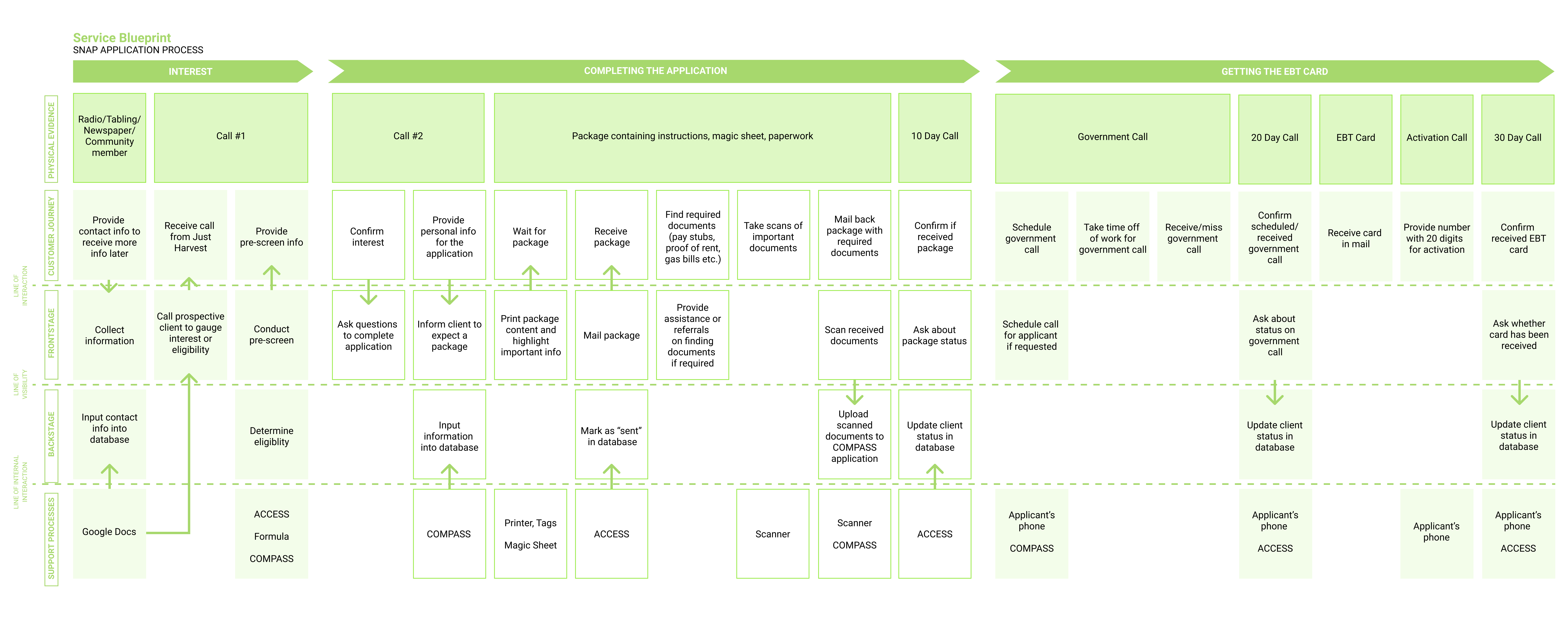
Many steps to apply
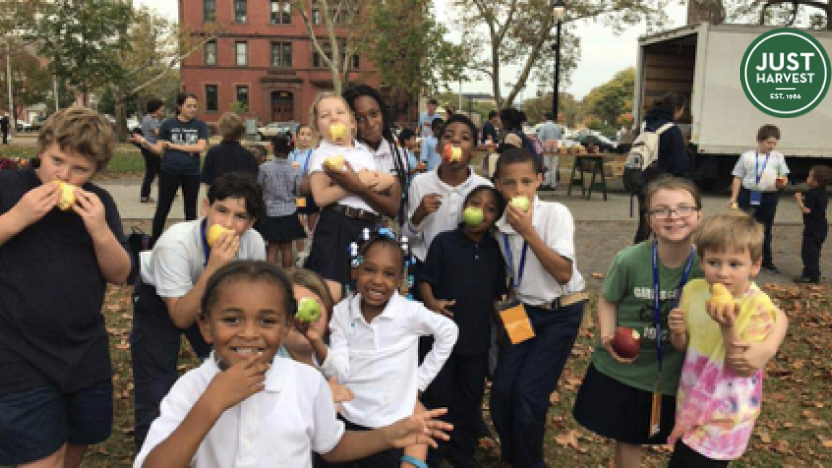
Everyone has a fundamental right to food
Hunger is unacceptable
All people are entitled to dignity, rights, a voice in policies that affect them
Duration: 3 Months | Feb.2019 - May.2019
Role: UX Research, UX Design
Solution Overview
Generative Research
.png)


Clients
Eligible people are not applying to SNAP

Volunteers
In need of man power

Donors
In need of sustainable donations

Lack of Awareness

Lack of Help

Social Stigma
Ideation
Design with limited funding and man power
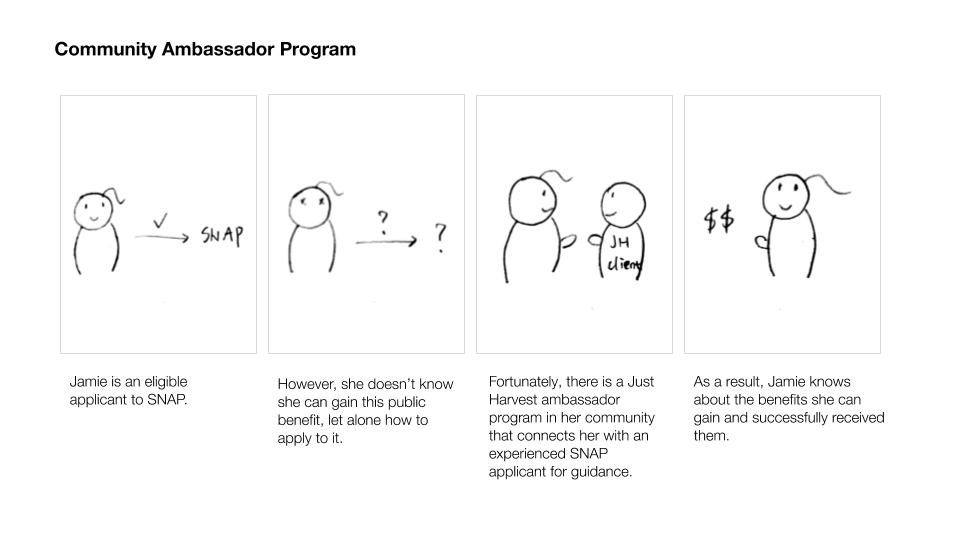
Initially, we thought about initiating a community ambassador program or an advisor-advisee app, where experienced JH clients would reach out to the community to grow more clients. volunteers and even donors. However, JH has very limited funding and man power to provide continuous incentive for such programs, which we kept in mind in later phases when ideating.
Maintain a community outreach by collecting more data
Next, we steered towards low-cost social campaigns that can raise more awareness for JH and SNAP. For example, creating a tangible and interactive experience of the benefits that JH can bring, or creative billboards in central locations. However, we ambitioned to form a strong and lasting bond with the community, not just a temporary advertisement. To do so, we decided to collect more data about the potential outreach population via some continuous service.
.png)
Combine digital and physical to reach wider populations
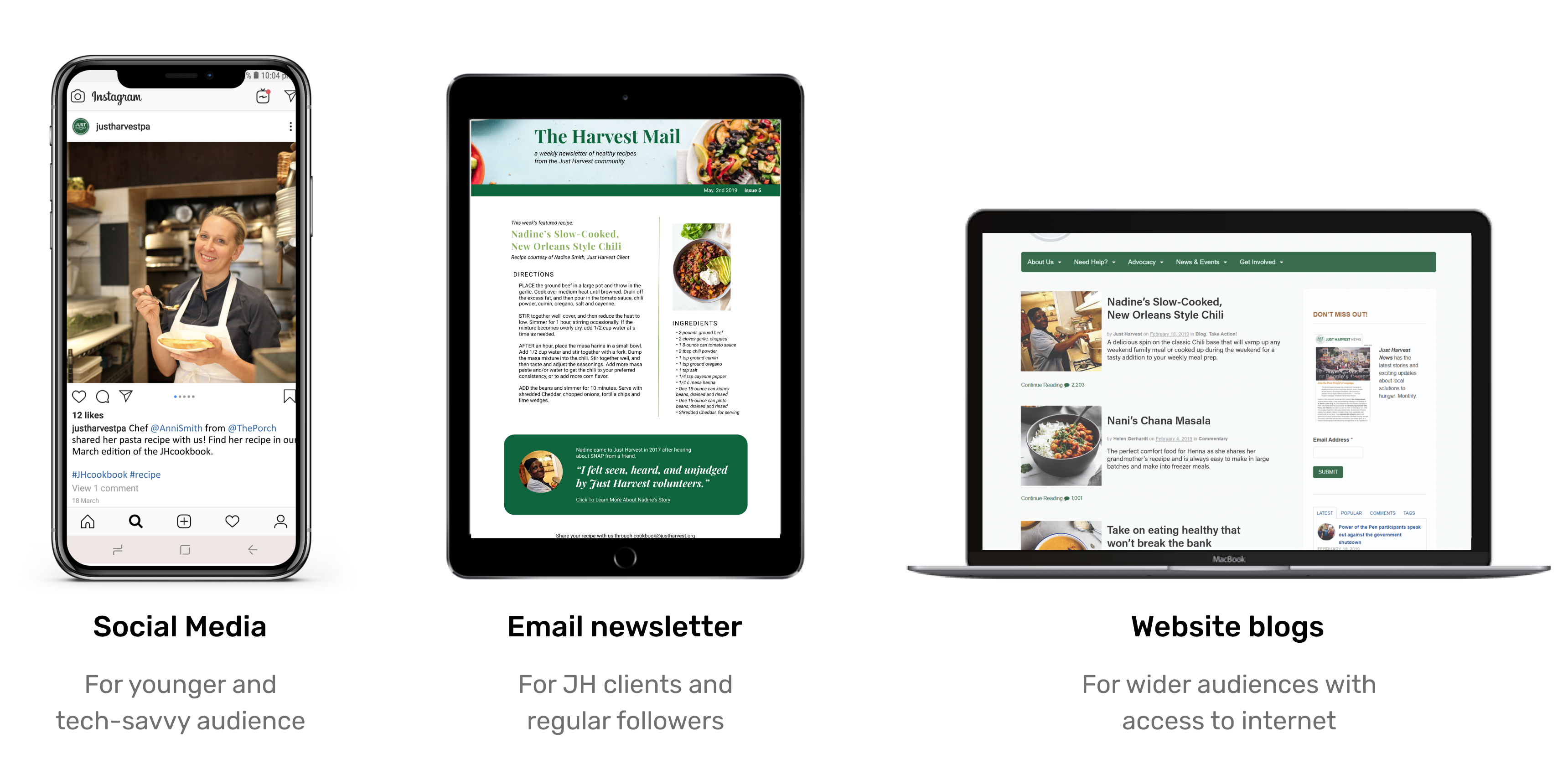
We then ideated the community cookbook, which we can share to the whole community through the channels JH already had: social media, blogs and newsletter. This would be a continuous interactive service to keep a community bond. However, there is a considerable portion in the SNAP-eligible population who are either seniors or who don’t access to technologies. Therefore, we decided to also make a physical cookbook to reach wider populations.
.png)
.png)
Why a community cookbook?
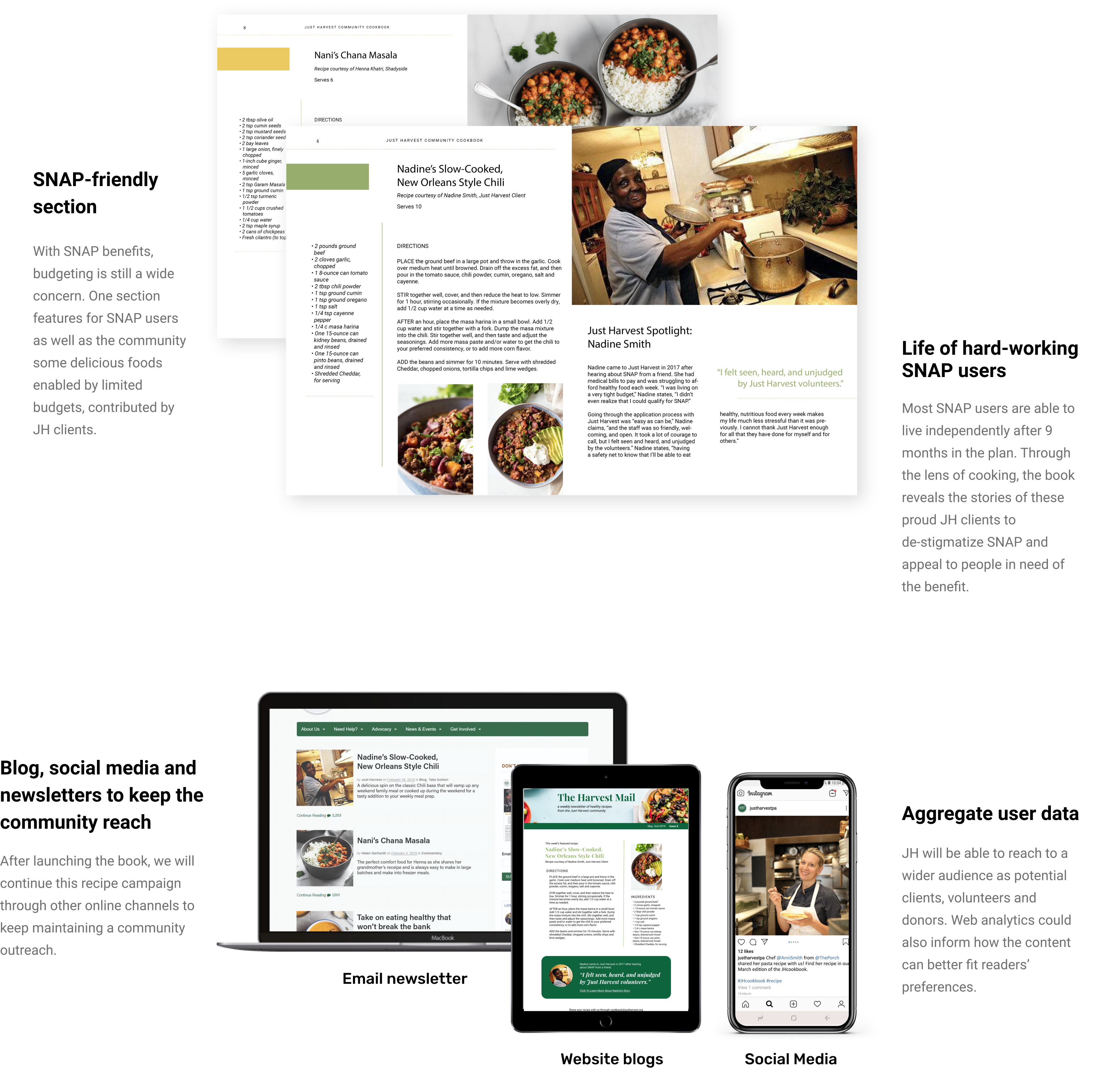
Engaging and interactive: It is an engaging and attractive way to raise awareness to SNAP and JH. Everyone will be able to contribute and see their recipes shared with the whole community.
Elegantly de-stigmatizing SNAP: We de-stigmatize SNAP and promote JH in a subtle way through shared recipes between SNAP users and non-SNAP users, bringing the community together through food. Moreover, we’ll share the stories of JH clients to further demystify SNAP.
Help SNAP users budget: More than an advertisement, this cookbook is useful for people to make delicious foods, and especially SNAP users to better budget with the modest benefits.
How does it work?
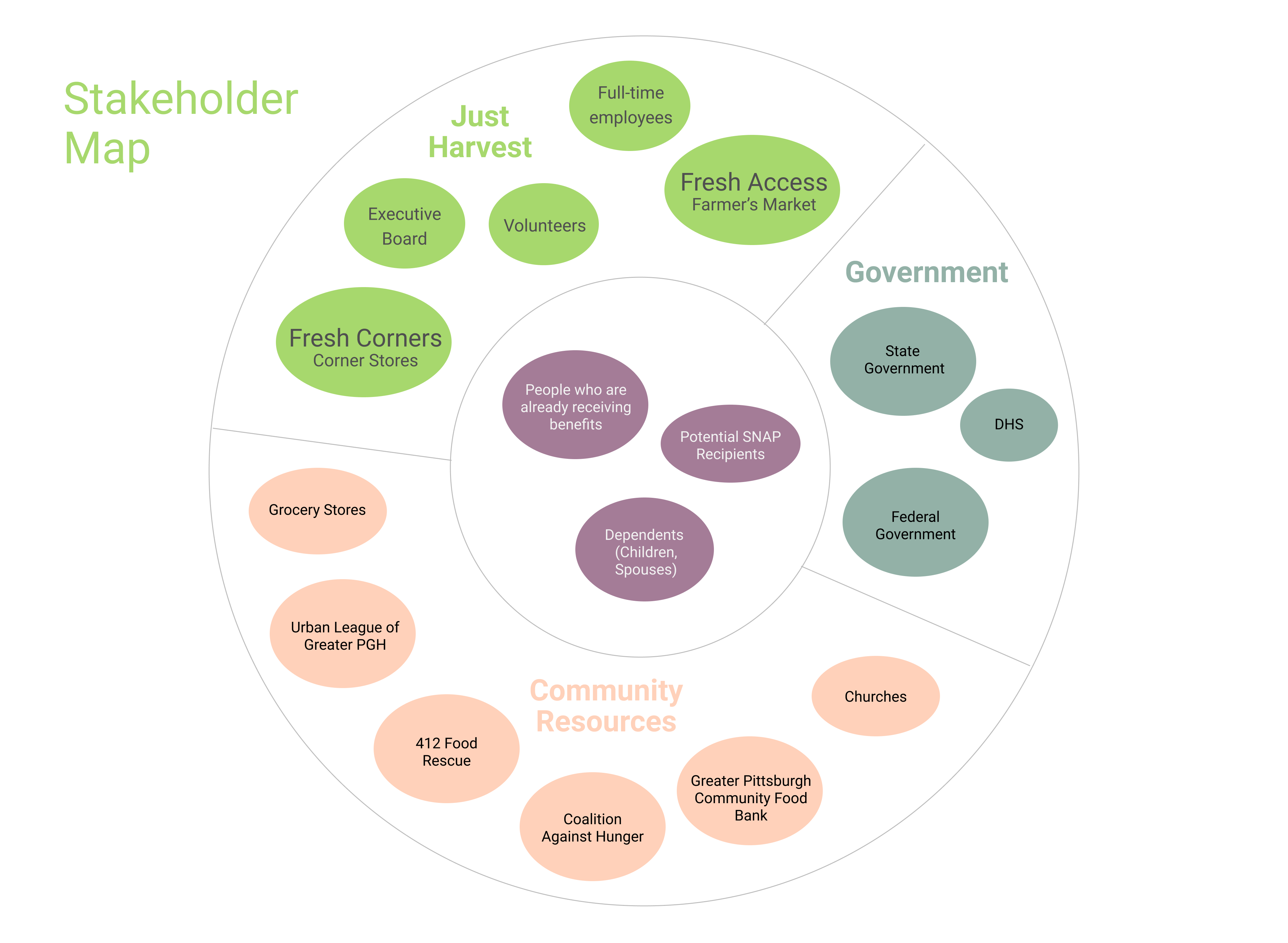
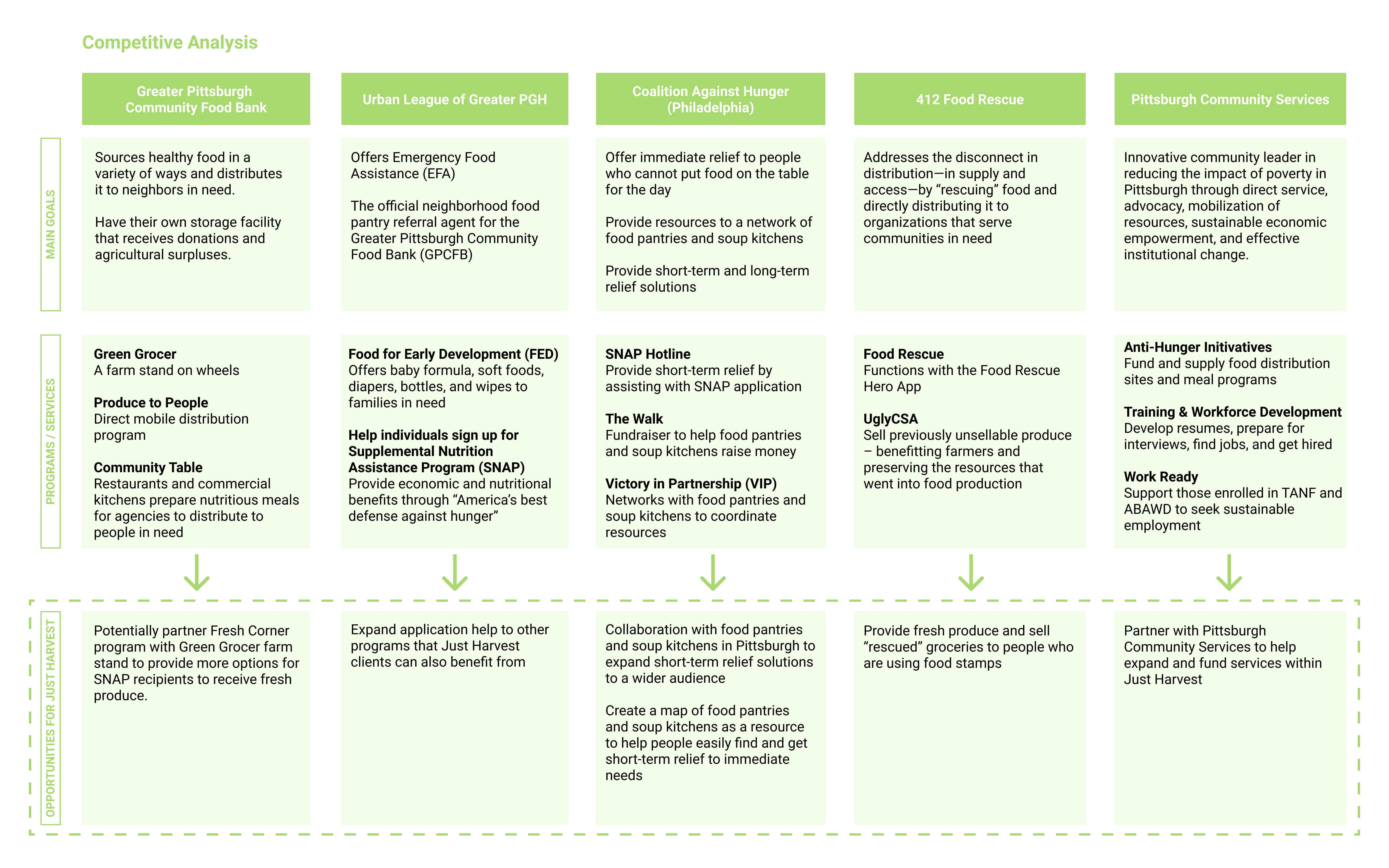
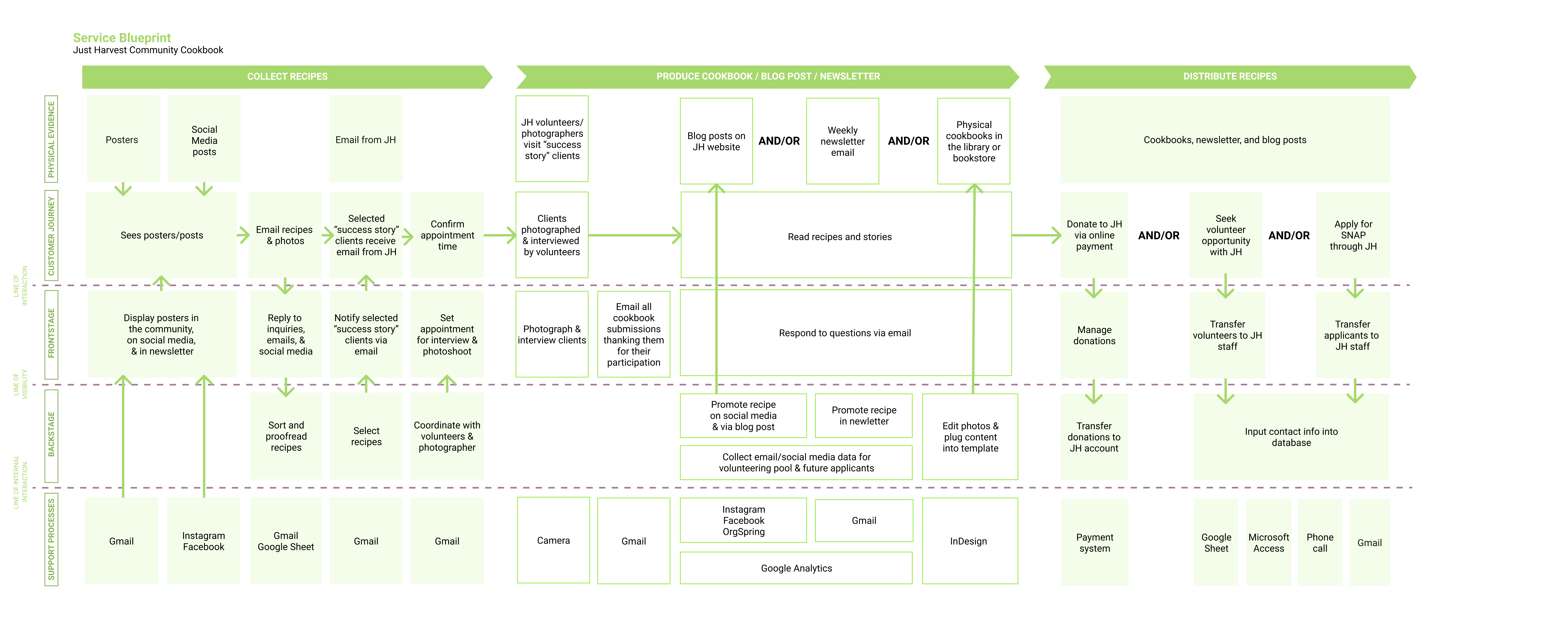
We will leverage the communities and organizations in Pittsburgh that are already dedicated to the food insecurity problem space. Besides the staff from JH, we’ll recruit volunteers from these organizations to initiate the community cook project together. For return, these organizations can gain exposure from the cookbook too, and will be able to share the client base with JH.
The expected outcome
.png)
Final Design
Gather favorite home recipes from the Pittsburgh community
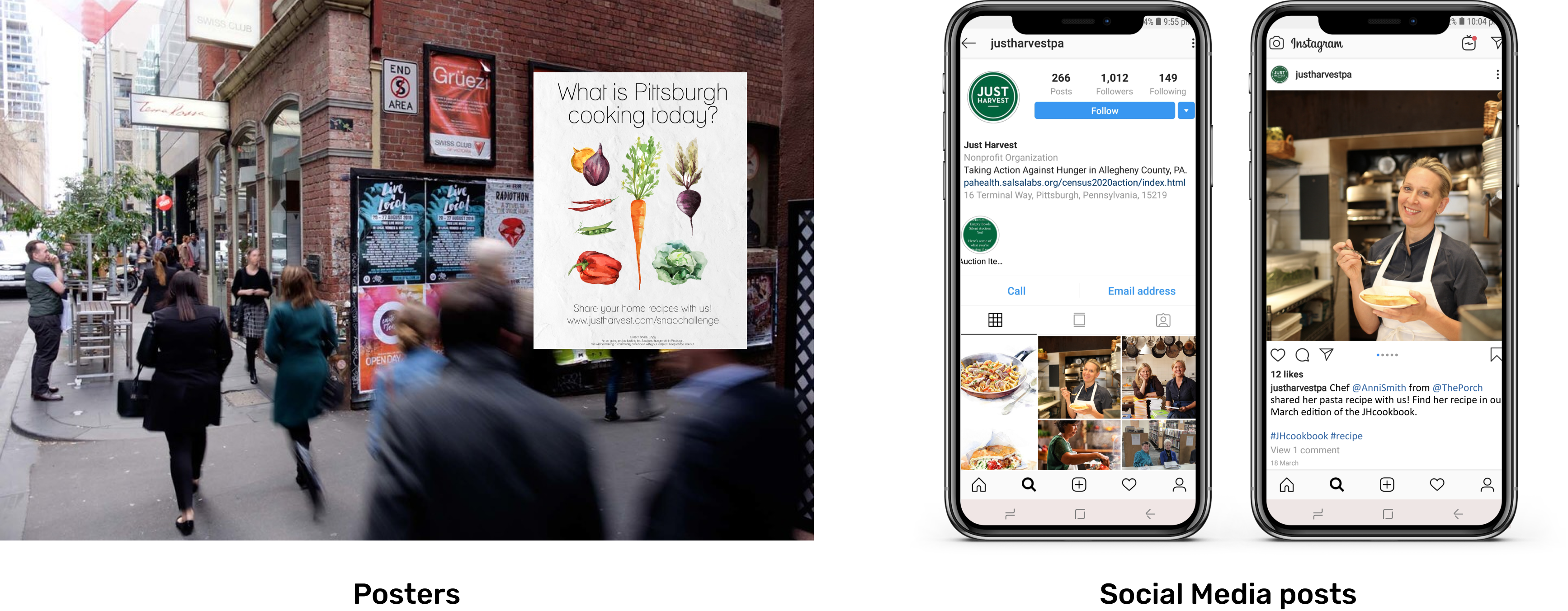
Curate recipes with volunteers and partners
Besides the staff from JH, we’ll recruit volunteers from other organizations to curate recipes into digital and physical cookbooks together. For return, these organizations can gain exposure from the cookbook too, and will be able to share the client base with JH.
.png)
Share recipes through online channels to gain feedback and grow traffic
As a start, we’ll share the recipes through the channels JH already has: social media, email, and blog posts. Before we invest more into making a physical cookbook, this is a cheap way of gaining feedback and gathering traffic.
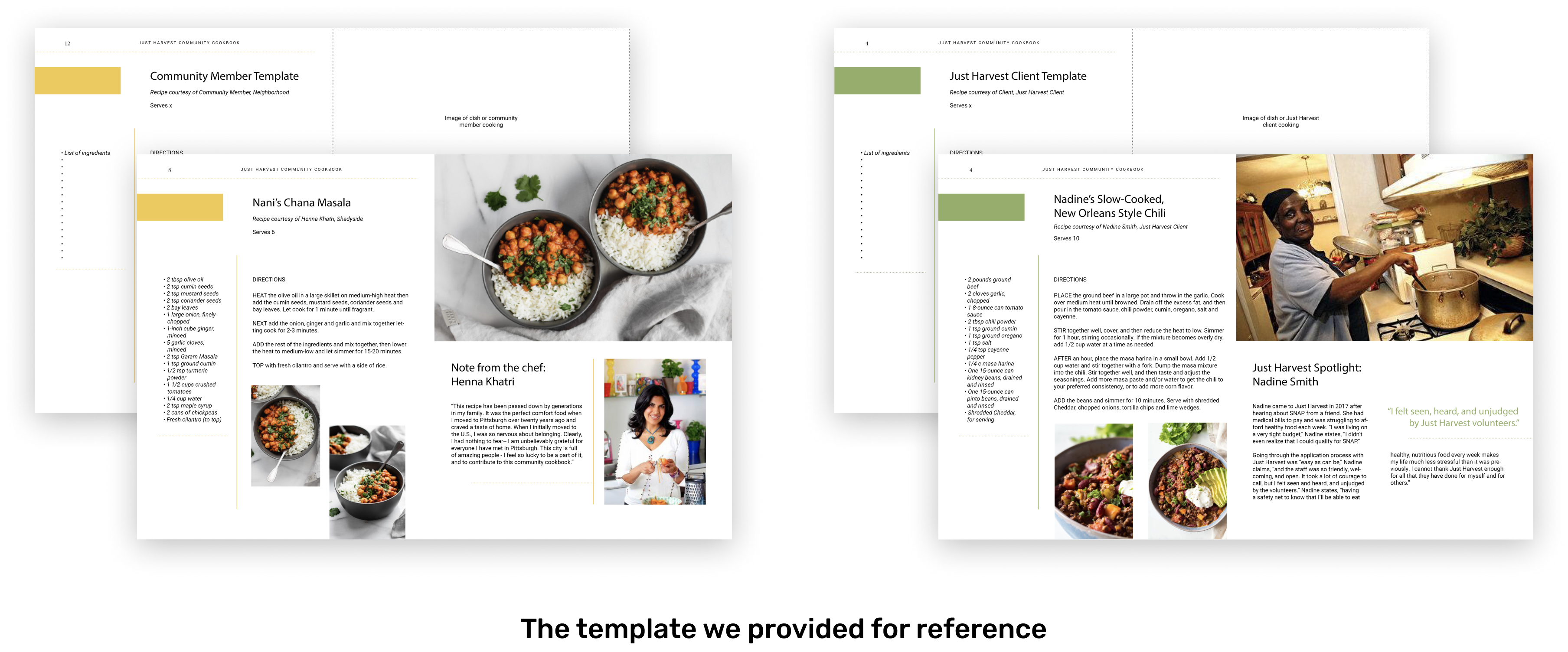
Turn the most popular recipes into a physical cookbook for wider outreach
After gathering enough reader feedback and exposure, JH can put the most popular recipes into a physical cookbook for publication. The physical book will bring more exposure and reach to a wider audience including those without technology or internet access.
REFLECTIONS

Design with limited funding and man power
Unlike untamed school projects, for an NGO like JH, we not only designed to reach their end goal, but also in low-cost methods.

Design with technological constraints
Is UX just about pretty screens? Not for this project. By adding a physical component, we managed to also reach users with tech constraints.

Design with consideration for a larger system
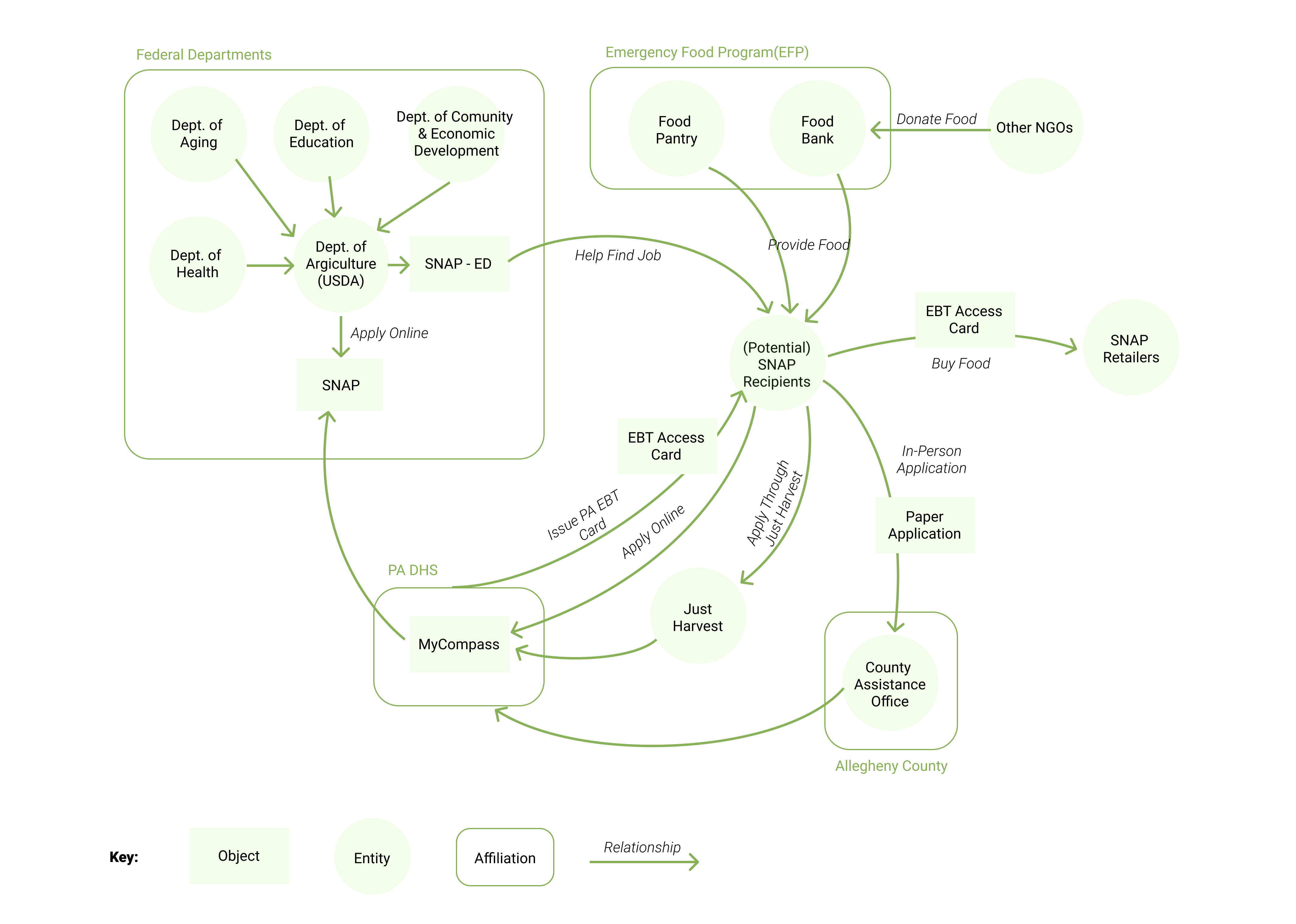
Besides screens, we explored the big picture including local organizations to design a service that is workable under the larger system.
© Jing Hu